Looking for a smarter way to move your cargo across borders without juggling multiple contracts and endless paperwork? You’re probably trying to figure out which shipping method saves time, cuts costs, and keeps your goods safe from start to finish. This guide breaks down everything in simple terms, so you can decide with confidence. As a trusted freight forwarding company in Dubai, we deal with these shipping choices every single day.
Global trade has changed fast. Buyers want their products quickly, and businesses need a system that connects sea, road, rail, and air smoothly. That’s exactly where multimodal transport steps in. Whether you’re a small importer or a large supplier, understanding this method can help you ship better. Many growing brands now rely on experienced freight forwarders in Dubai to handle these complex journeys for them.
What Is Multimodal Logistics?
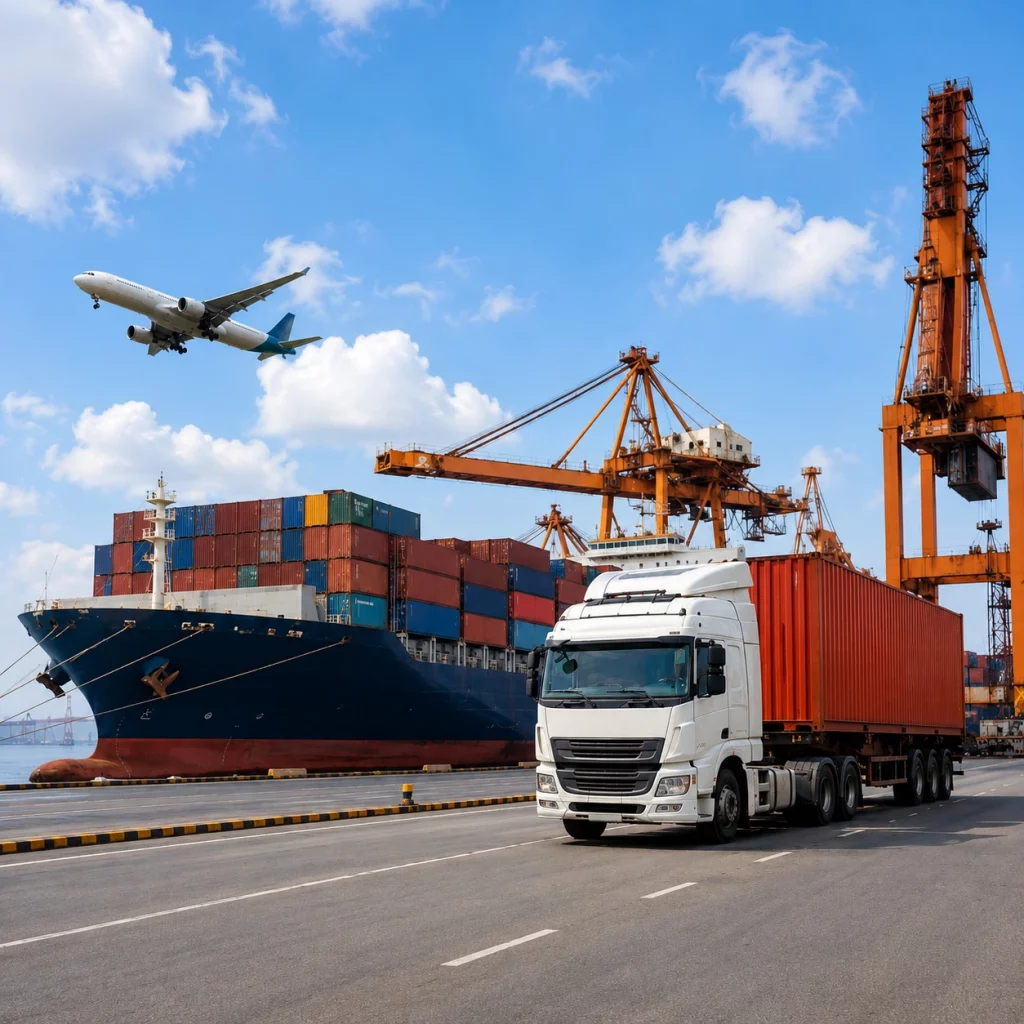
Multimodal logistics is the movement of goods using two or more modes of transport under a single contract and a single transport document, managed by one responsible operator.
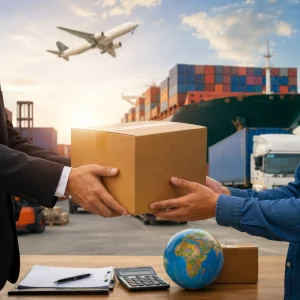
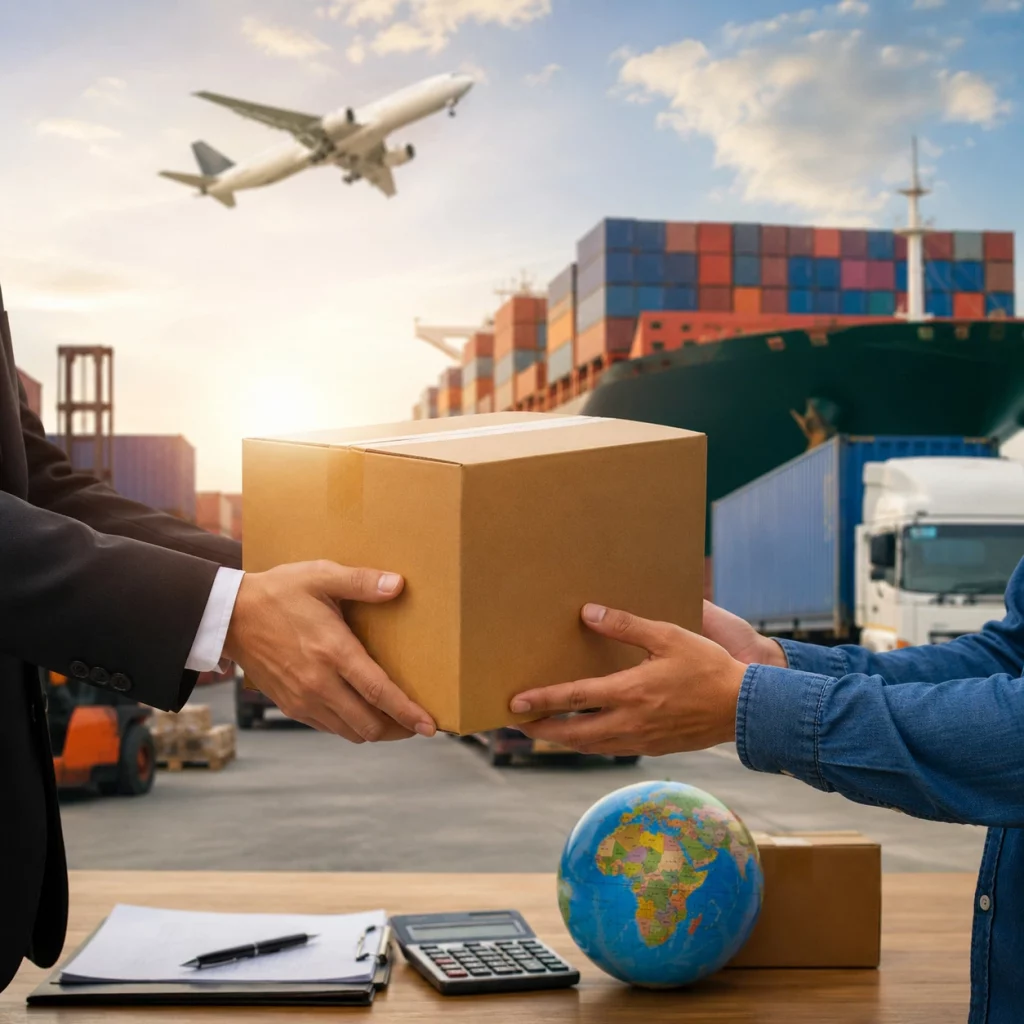
In simple words, your cargo might travel by ship, then by truck, then by train, but you only deal with one provider. That provider handles the entire route, the handover between each mode, and the final delivery. You don’t have to manage separate companies for each leg of the trip.
This makes shipping easier, faster, and far less stressful for businesses.
How Does Multimodal Transport Work?
Multimodal transport works through one operator who plans and controls the full journey from pickup to drop-off. Here’s how a typical shipment flows:
- Pickup: Goods are collected from the seller or factory.
- First mode: Cargo moves by truck or rail to a port or terminal.
- Main transit: It travels by sea or air to the destination country.
- Final mode: Another truck or train carries it to the final address.
- Delivery: The operator hands over the cargo to the receiver.
Throughout this process, one document called a multimodal transport bill of lading covers the entire trip. One party stays responsible the whole way.
Multimodal vs. Intermodal Transport: What’s the Difference?
People often mix up these two terms, but they are not the same.
- Multimodal transport: One contract, one operator, and one document for the whole journey.
- Intermodal transport: Several modes are used too, but each leg has its own contract and its own carrier.
So the key difference is responsibility. In multimodal shipping, a single operator owns the full route. In intermodal shipping, responsibility is split between different carriers.
For most businesses, multimodal is simpler because there’s one point of contact and one party to hold accountable.
Key Advantages of Multimodal Transport
Why do so many companies choose this method? Because it solves real problems. Below are the main benefits.
1. One Point of Contact
You work with a single operator instead of chasing five different companies. This saves time, reduces confusion, and makes communication clear.
2. Lower Overall Costs
Combining transport modes often cuts expenses. Operators plan the most efficient route, avoid empty trips, and use the cheapest mix of sea, road, and rail.
3. Faster and More Reliable Delivery
Because the journey is planned as one connected route, there are fewer delays at handover points. Cargo keeps moving instead of waiting.
4. Less Paperwork
A single contract and one transport document replace stacks of separate forms. This is a huge relief for busy importers and exporters.
5. Better Cargo Safety
With one party responsible from start to finish, accountability is clear. If anything goes wrong, you know exactly who to contact.
6. Wider Reach
Multimodal shipping connects landlocked regions, remote areas, and busy ports together. It opens up markets that a single transport mode can’t reach alone.
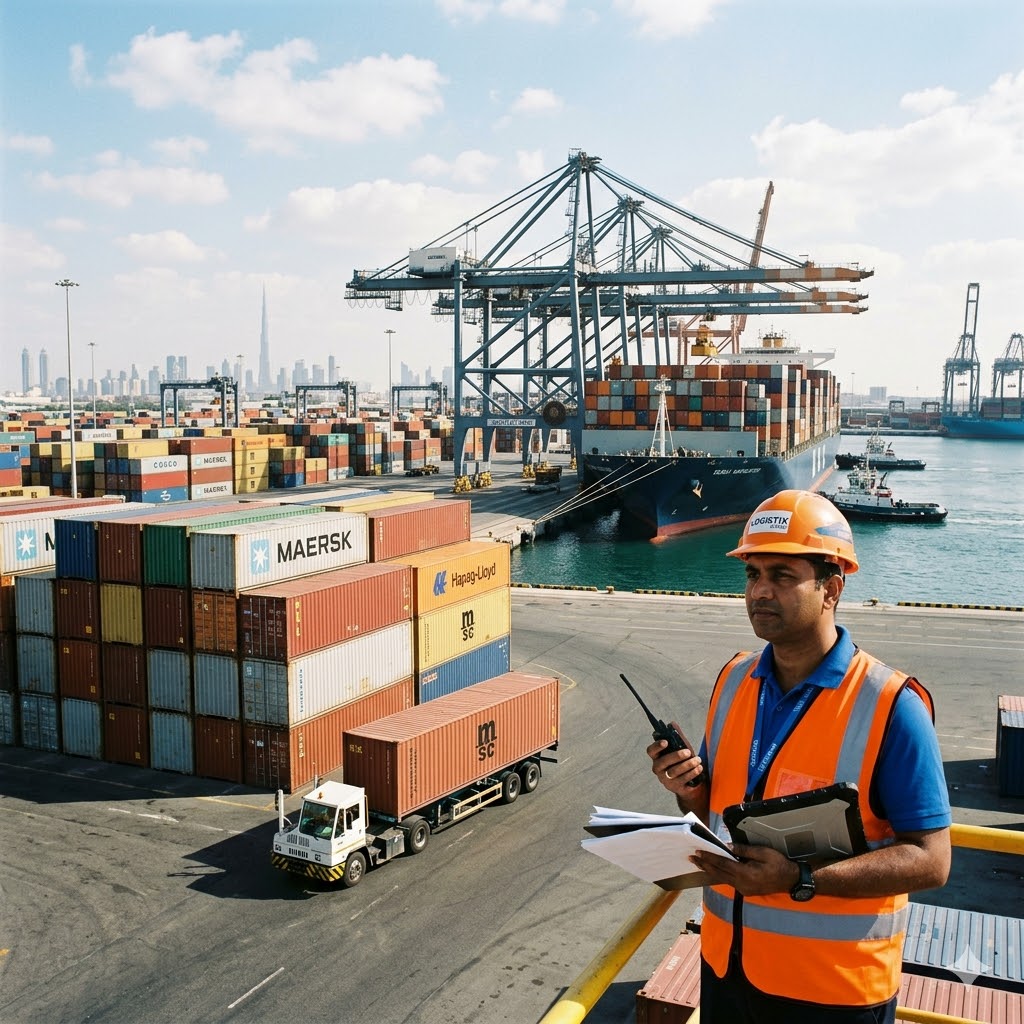
For companies handling complex routes through the UAE, professional multimodal logistics in Dubai brings all these advantages under one roof.
When Should You Use Multimodal Transport?
Multimodal transport is the best choice when your cargo needs to cross long distances, change between sea, road, or rail, or pass through several countries.
It works especially well for:
- International shipments that combine ocean and inland delivery
- Bulk orders moving across continents
- Goods needing door-to-door service
- Routes where one mode alone isn’t practical
If your shipment only travels a short distance by a single truck, you likely don’t need it. But for global trade, it’s often the smartest option.
The Role of Customs in Multimodal Shipping
Every cross-border shipment must clear customs, and this step can make or break your timeline. Delays here often cost more than the shipping itself.
A good multimodal operator handles customs documentation, duties, and inspections as part of the service. Working with a reliable custom clearance company in Dubai ensures your goods don’t sit stuck at the border. Smooth clearance keeps the whole journey on schedule.
What Types of Cargo Suit Multimodal Transport?
Almost any cargo can move through a multimodal system, including:
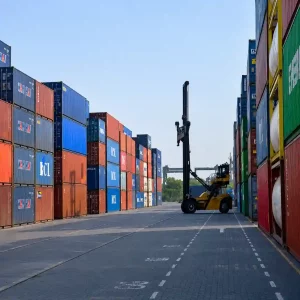
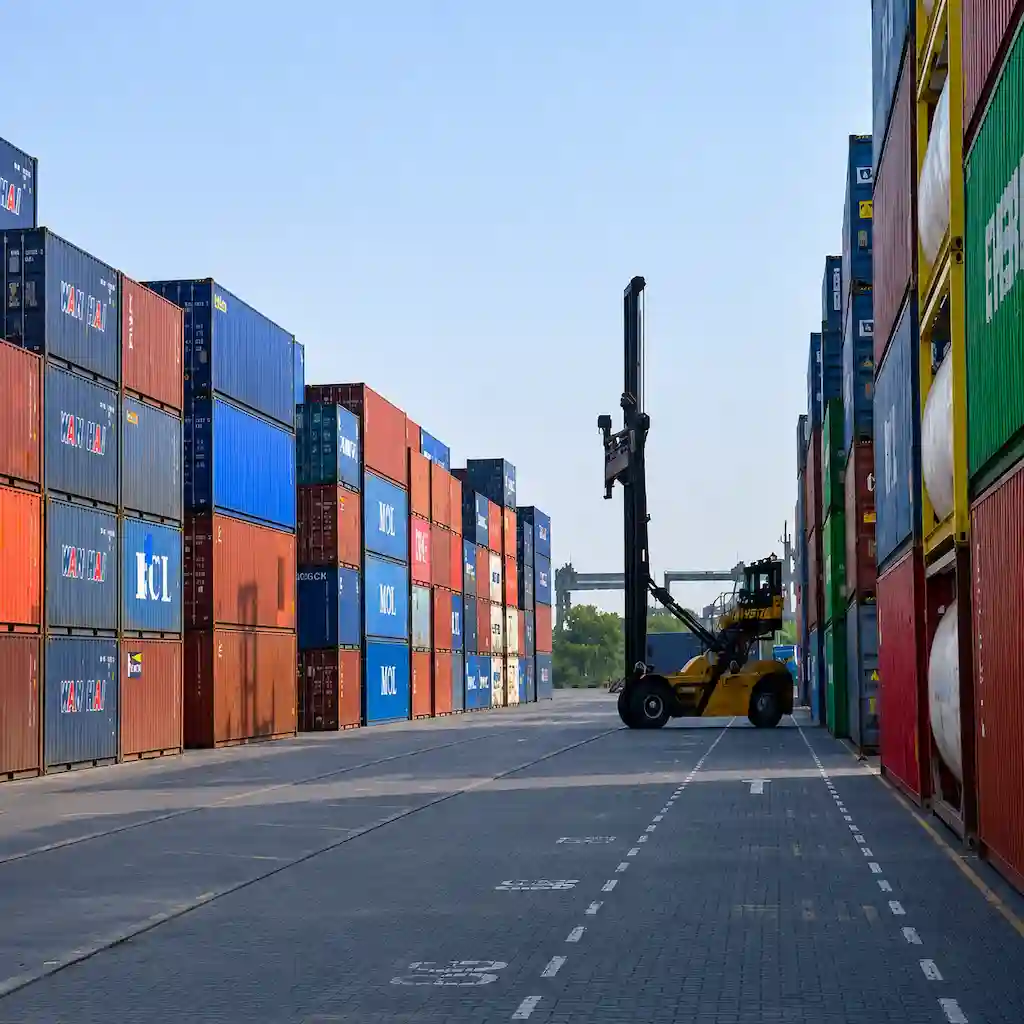
- Containerized goods like electronics, clothing, and packaged products
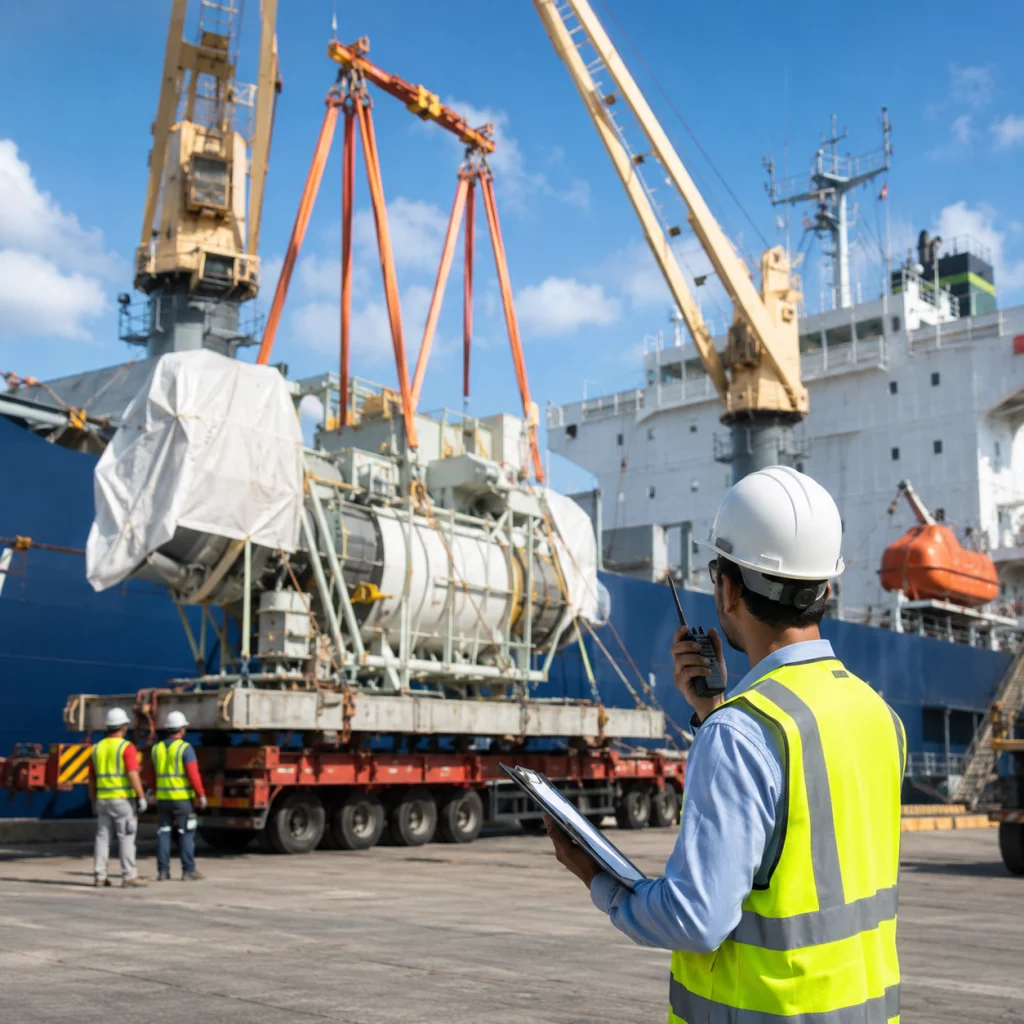
- Heavy machinery and industrial equipment
- Oversized items that need special handling
- Project cargo split across multiple shipments
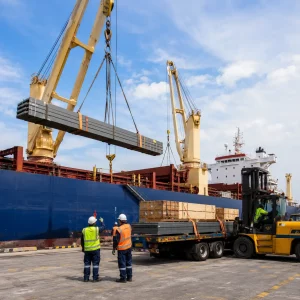
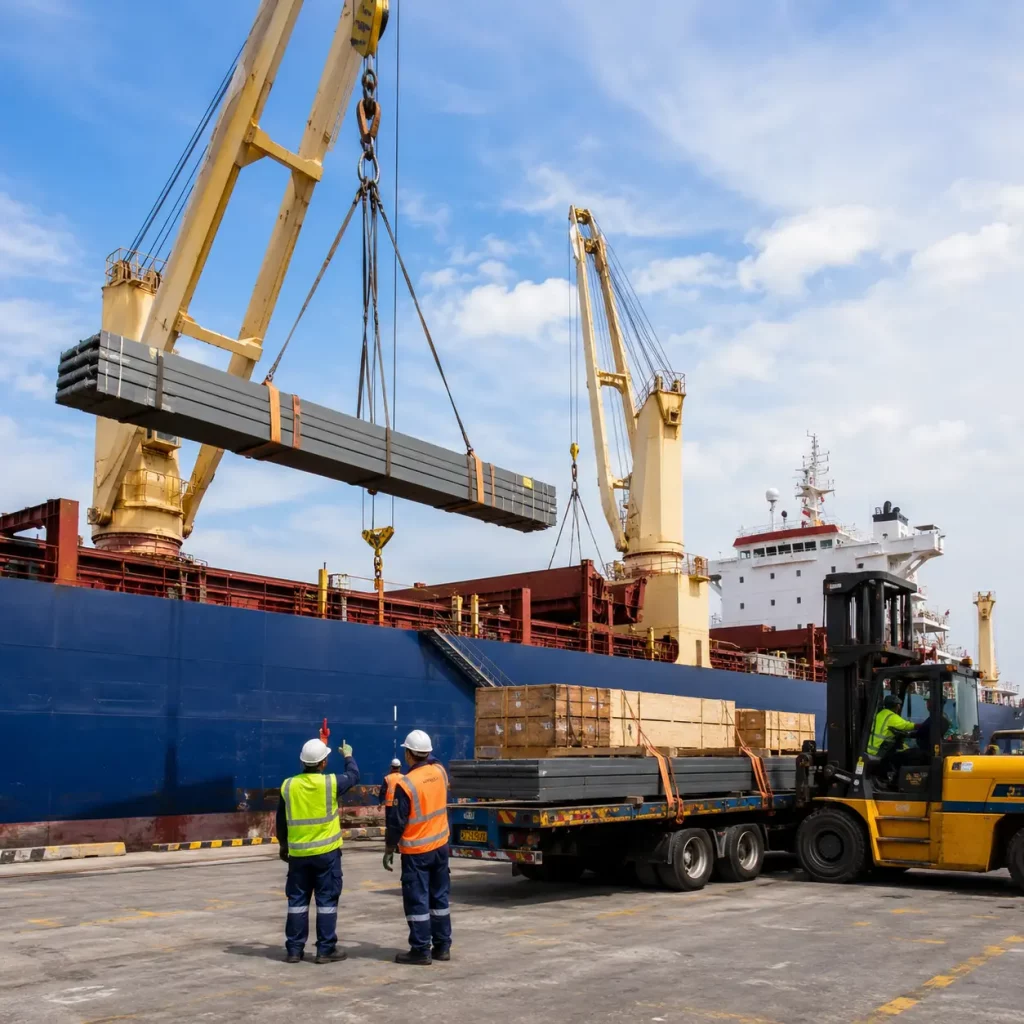
Even irregular or non-containerized loads work well. For example, break bulk cargo in Dubai often travels through multimodal routes when items are too large for standard containers.
How to Choose the Right Multimodal Operator
Picking the right partner matters more than the shipping method itself. Look for these qualities:
- Experience with your trade routes and cargo type
- Clear pricing with no hidden fees
- Strong tracking so you always know where your goods are
- Customs expertise to avoid border delays
- Good communication and quick responses
A trusted operator turns a complicated journey into a smooth, predictable process.
Final Thoughts
Multimodal transport takes the stress out of global shipping. Instead of managing several carriers, contracts, and documents, you rely on one operator to move your cargo safely from start to finish. The result is lower costs, faster delivery, less paperwork, and clear accountability.
As trade keeps growing, this connected approach is becoming the standard for smart businesses. If you want a shipping method that saves time and protects your cargo across every mile, multimodal transport is well worth choosing.
Frequently Asked Questions
What is multimodal logistics in simple words?
Multimodal logistics means shipping goods using two or more transport modes, like sea and road, under one contract and one operator. You deal with a single provider who manages the entire journey from pickup to delivery.
Is multimodal transport cheaper than single-mode shipping?
Often, yes. By combining the most efficient transport modes and planning one connected route, operators reduce empty trips and handling costs. This usually makes multimodal shipping more affordable for long-distance and international cargo.
What document is used in multimodal transport?
A multimodal transport document (sometimes called a multimodal bill of lading) covers the whole journey. This single document replaces separate paperwork for each transport mode and keeps responsibility with one operator.
What is the difference between multimodal and intermodal transport?
In multimodal transport, one operator and one contract cover the entire trip. In intermodal transport, multiple modes are still used, but each leg has its own carrier and contract. Multimodal offers simpler accountability.
Can fragile or oversized goods use multimodal shipping?
Yes. Multimodal systems handle everything from packaged electronics to heavy machinery and oversized loads. Operators choose the safest combination of modes and add special handling when needed.