
Dubai is one of the world’s most strategically positioned trade hubs, home to Jebel Ali Port the largest port in the Middle East and among the busiest in the world. For businesses importing or exporting goods, partnering with the right sea freight forwarding company in Dubai is not just a logistics decision – it is a competitive advantage.
Whether you are moving bulk industrial equipment, consumer goods, or hazardous materials, the services you choose determine your cost, transit time, and peace of mind. This guide breaks down every key service offered by leading sea freight companies in Dubai and explains how to choose the right solution for your specific cargo needs.
Why Sea Freight in Dubai Makes Business Sense
Sea freight remains the most cost-effective mode for shipping large or heavy cargo internationally. Dubai’s position between Asia, Europe, Africa, and the Americas gives businesses exceptional routing flexibility.
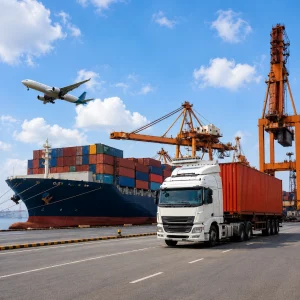
Jebel Ali Port alone handles millions of TEUs annually, connecting Dubai to over 150 ports worldwide with regular sailing schedules. When you work with an experienced freight forwarding company in Dubai, you gain access to this global network at competitive rates – with full documentation support, customs clearance, and door-to-door delivery options built in.
The advantages of sea freight from Dubai include lower cost per unit for high-volume cargo, access to a wide range of container types, flexible scheduling, and the ability to handle oversized or unconventional shipments that air freight simply cannot accommodate.
Top Services Offered by a Sea Freight Forwarding Company in Dubai
1. Full Container Load (FCL) Shipping
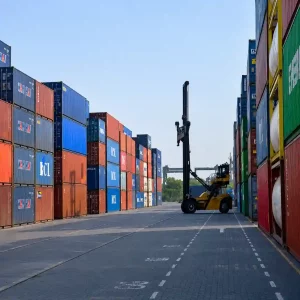
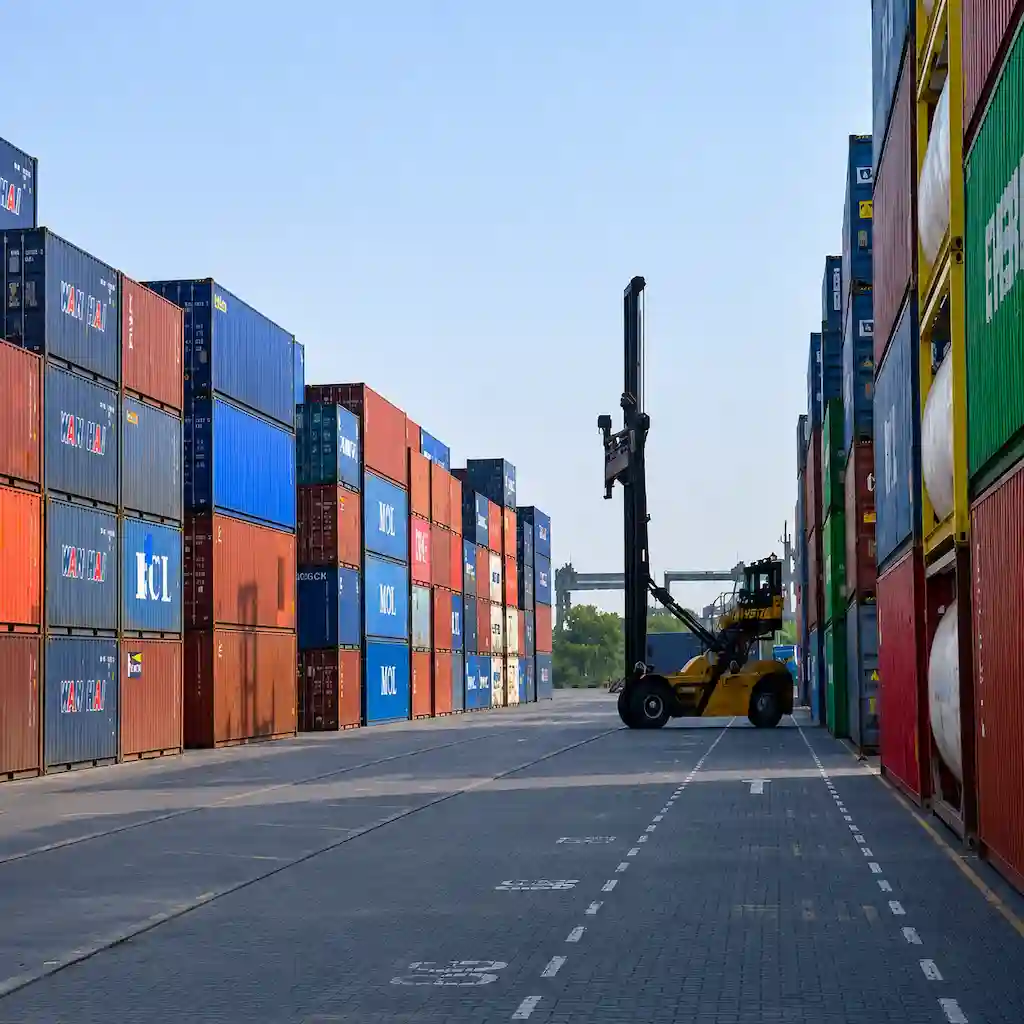
FCL is the most popular sea freight solution for businesses with sufficient cargo volume to fill an entire container. You get exclusive use of a 20-foot, 40-foot, or 40-foot high-cube container, which means lower handling risk, faster transit, and tighter cargo security.
FCL is the preferred choice when you are shipping high-value goods, time-sensitive cargo, or when you need to maintain full control over the container without sharing space with other shippers. Rates per unit drop significantly at FCL volumes, making it ideal for regular importers and exporters.
2. Less Than Container Load (LCL) Shipping
Not every shipment justifies a full container. LCL consolidation lets you ship smaller volumes by sharing container space with cargo from other shippers. You only pay for the space your goods actually occupy.
Reputable freight forwarders in Dubai manage LCL consolidation from major international hubs, handling documentation, packing, and deconsolidation at the destination port. This service is especially valuable for SMEs, e-commerce businesses, and companies managing seasonal inventory top-ups.
3. Break Bulk Cargo Handling
Some cargo simply does not fit inside standard shipping containers – pressure vessels, steel coils, heavy machinery, wind turbine components, construction materials, and oversized industrial units all fall into this category.
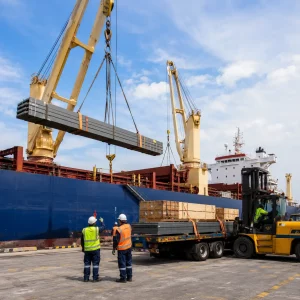
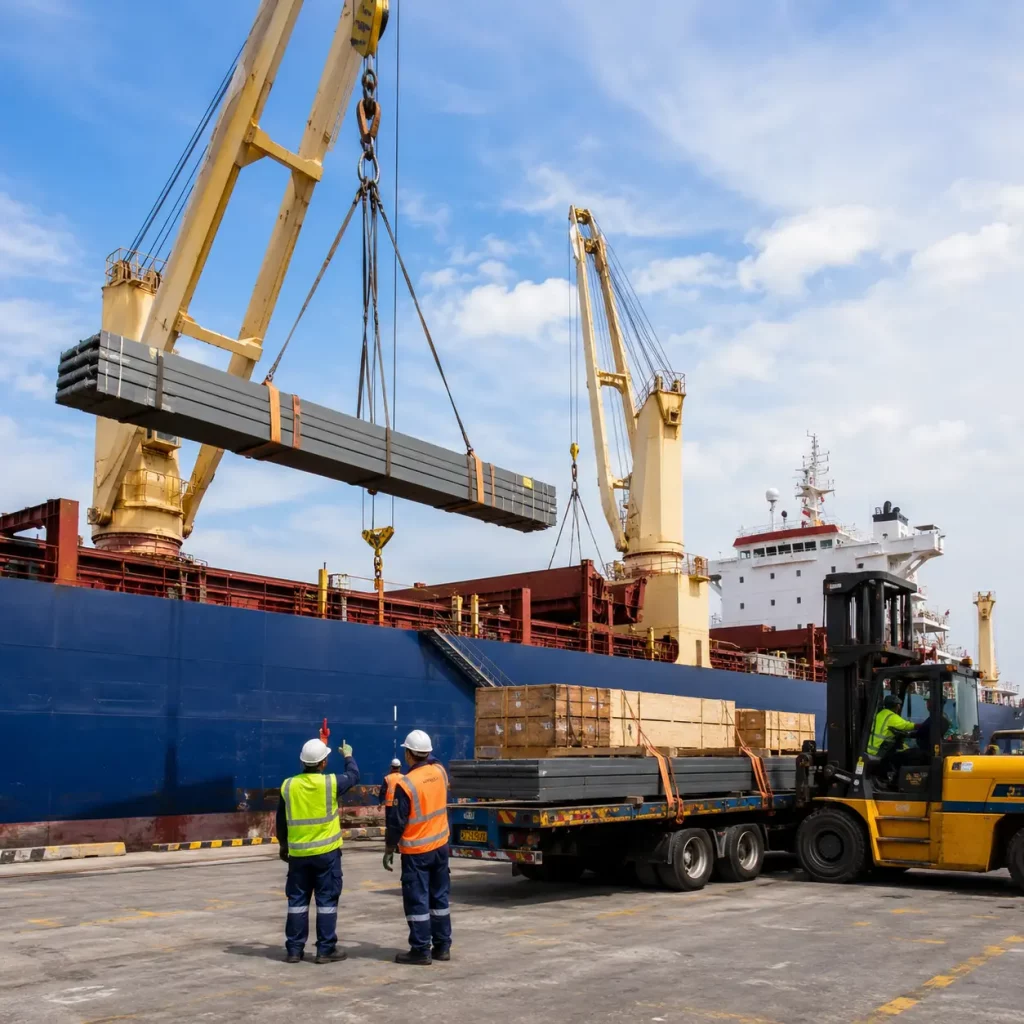
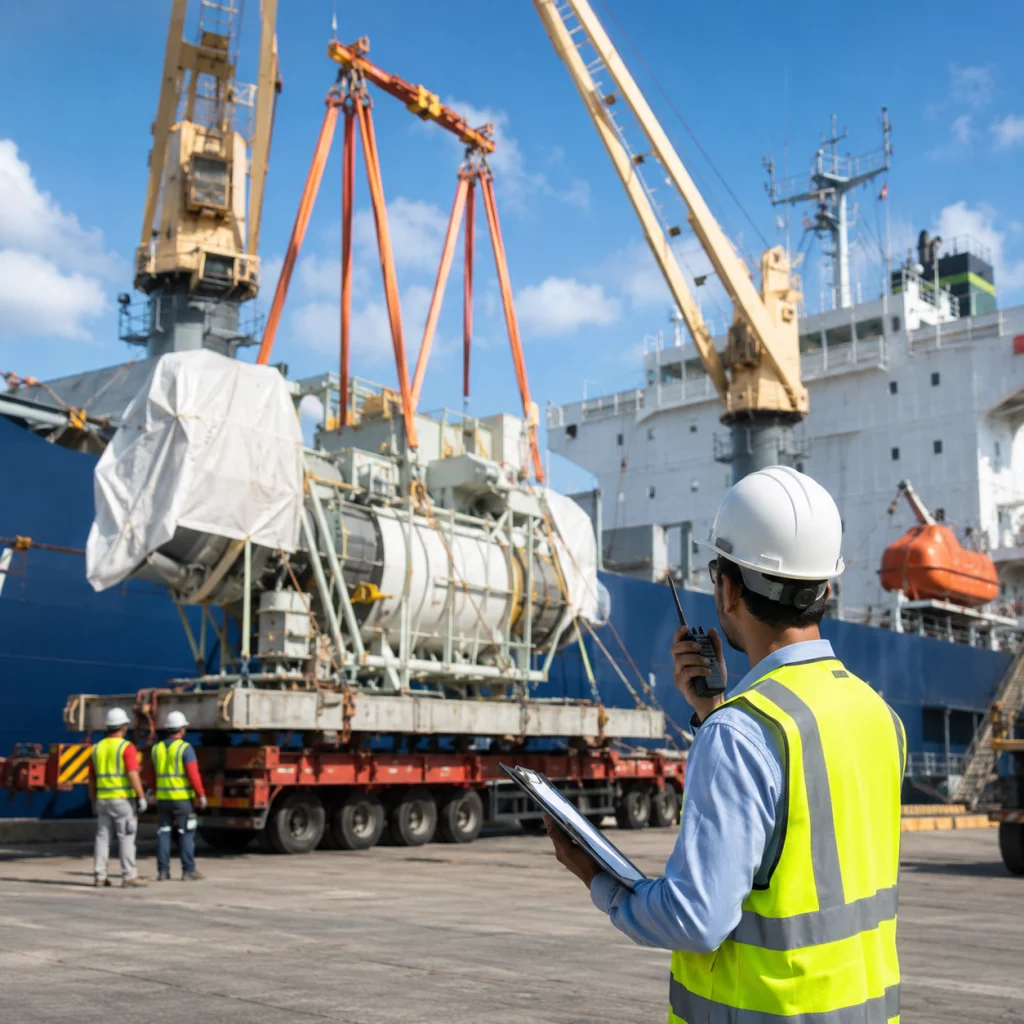
Break bulk cargo in Dubai requires specialized handling: port-side crane operations, tailored stowage plans, load distribution assessments, and coordination with port authorities. A capable sea freight forwarding company in Dubai will manage every aspect of this process, from pre-shipment surveys through to port discharge and inland delivery.
Break bulk is not simply about size – it is about precision. Improper handling or poor load planning can result in damaged cargo, port delays, or regulatory issues. Always work with a forwarder that has dedicated project cargo expertise.
4. Roll-On/Roll-Off (RoRo) Services
RoRo vessels are purpose-built to handle wheeled cargo: automobiles, trucks, buses, heavy machinery on wheels, and construction equipment. Rather than being lifted by crane into a container, wheeled cargo is driven or towed directly onto the vessel – dramatically reducing handling risk and turnaround time at port.
Dubai is one of the most active RoRo markets in the region, with strong demand for vehicle exports and re-exports throughout the Middle East, Africa, and South Asia. A specialist sea freight company will manage booking, vehicle inspection coordination, documentation, and port logistics end to end.
5. Project Cargo and Heavy Lift Solutions
Large-scale industrial and infrastructure projects – energy plants, refineries, mining operations, and construction sites – require more than standard freight forwarding. Project cargo involves shipping oversized, overweight, or complex cargo that demands customized engineering solutions.
This includes route surveys, multi-modal transport coordination, special vessel chartering, heavy-lift crane coordination, lashing and securing plans, and in some cases, temporary port storage. A dedicated sea freight forwarding company in Dubai with project cargo capability becomes an extension of your project management team.
6. Reefer (Refrigerated Container) Shipping
Temperature-sensitive cargo – food products, pharmaceuticals, chemicals, and biological materials – requires refrigerated containers that maintain precise temperature ranges throughout the sea journey.
Reefer containers come in standard FCL and LCL configurations and must be monitored continuously. Your forwarder should ensure pre-trip inspections, generator set management, and real-time temperature tracking. Dubai’s role as a regional food and pharma distribution hub makes this service critically important.
7. Out-of-Gauge (OOG) Cargo Handling
OOG cargo exceeds the standard dimensions of an ISO container in height, width, or length. Examples include large turbines, industrial boilers, transformers, and excavators. OOG shipments require open-top containers, flat-rack containers, or specialized vessels – combined with route assessments and coordination with port handling teams.
An experienced sea freight forwarding company in Dubai will assess your cargo dimensions, recommend the appropriate equipment, and manage the complex documentation and operational requirements that OOG cargo demands.
8. Customs Clearance and Documentation
Customs clearance is one of the most critical – and most easily mismanaged – elements of international sea freight. Errors in documentation lead to port holds, demurrage charges, and supply chain disruption.
A full-service sea freight forwarder provides end-to-end customs brokerage: preparing Bills of Lading, Certificates of Origin, Commercial Invoices, Packing Lists, and all UAE Customs and trade compliance documentation. For regulated goods – food, pharmaceuticals, chemicals, or hazardous materials – this expertise is non-negotiable.
9. Door-to-Door Delivery
The most seamless option for businesses that want to hand off logistics entirely. Door-to-door sea freight means your forwarder handles everything from cargo pickup at origin, ocean transit, customs clearance at destination port, and last-mile delivery to the final address.
This is particularly valuable for importers sourcing goods from China, Europe, or the Americas who want a single point of contact and accountability throughout the shipment lifecycle.
10. Cargo Insurance and Risk Management
Sea freight, despite being remarkably safe, carries inherent risk – weather events, port delays, vessel incidents, and cargo damage. A responsible freight forwarding company in Dubai will offer cargo insurance solutions tailored to your shipment value, route risk, and commodity type.
Always confirm insurance coverage terms before shipping – especially for high-value, fragile, or perishable goods.
How to Choose the Right Sea Freight Forwarding Company in Dubai
Not all forwarders are created equal. Here is what separates reliable partners from unreliable ones:
Carrier relationships: A forwarder with strong ties to major shipping lines secures better rates and sailing slots, especially during peak periods.
Port connectivity: Companies with established relationships at Jebel Ali Port and experience with Dubai Customs process shipments faster and with fewer complications.
Transparency: The best forwarders provide all-in pricing with no hidden fees, along with live shipment tracking and proactive communication.
Industry specialization: If you ship pharmaceuticals, hazardous materials, or project cargo, work with a forwarder that has certified expertise in your commodity category.
Compliance knowledge: Dubai’s import and export regulations evolve. Your forwarder should stay current with UAE Customs rules, trade agreements, and free zone logistics requirements.
Conclusion
Dubai’s position as a global trade gateway is only valuable to your business when you have the right logistics partner in place. The services offered by a capable sea freight forwarding company in Dubai go far beyond booking a container – they encompass customs expertise, specialized cargo handling, project-level logistics, and end-to-end supply chain management.
Whether your priority is cost efficiency through LCL consolidation, the security of FCL, the specialized handling of break bulk, or the precision of temperature-controlled reefer shipping, the right forwarder makes every shipment smoother, faster, and more cost-effective.
Partner with FastShip – Dubai’s Trusted Sea Freight Experts
Ready to Ship Smarter from Dubai?
At FastShip, we offer the complete range of sea freight services – FCL, LCL, break bulk, RoRo, project cargo, OOG, and door-to-door solutions – backed by deep carrier relationships and Jebel Ali Port expertise. Whether you’re importing industrial machinery or exporting consumer goods, our team handles every detail so your cargo moves on time, every time.
Get a Free Sea Freight Quote Today →
Frequently Asked Questions
Q1: What is the difference between FCL and LCL sea freight in Dubai?
FCL (Full Container Load) means you book and exclusively use an entire shipping container. LCL (Less than Container Load) means your cargo shares space in a container with other shippers’ goods. FCL is better for large, high-value, or time-sensitive shipments. LCL is more cost-effective for smaller volumes where you only pay for the space you use.
Q2: How long does sea freight from Dubai take to reach major destinations?
Transit times vary by destination and shipping line. As a general guide: shipments to India take 3–7 days, to the UK or Europe 18–25 days, to East Africa 7–12 days, and to the Far East 12–20 days. Your freight forwarder will provide a precise estimate based on your specific route and sailing schedule.
Q3: What is break bulk cargo and when is it used?
Break bulk cargo refers to goods too large or heavy to be shipped in standard ISO containers – heavy machinery, steel structures, wind turbine components, or construction materials. These are loaded individually onto general cargo vessels using cranes and specialized lifting equipment. A forwarder experienced in break bulk cargo handles load planning, stowage, port coordination, and customs documentation for these complex shipments.
Q4: Can a sea freight forwarder in Dubai handle hazardous materials?
Yes, but only forwarders certified to handle IMO-classified dangerous goods under the IMDG Code should be trusted with hazardous cargo. This includes proper classification, packaging, labeling, and documentation as well as coordination with the shipping line and port authority to ensure compliant handling throughout the voyage.
Q5: What documents are needed for sea freight shipments through Dubai?
Standard documentation includes the Bill of Lading, Commercial Invoice, Packing List, Certificate of Origin, and any applicable regulatory certificates (health, phytosanitary, MSDS for chemicals, etc.). Your freight forwarder manages preparation and submission of all documentation on your behalf, including UAE Customs declarations.
Q6: Is cargo insurance mandatory for sea freight from Dubai?
Cargo insurance is not legally mandatory, but it is strongly recommended. Standard carrier liability is limited and rarely covers the full commercial value of your goods. A good sea freight forwarding company in Dubai will offer comprehensive all-risk or named-perils cargo insurance options to protect your shipment from origin to destination.