




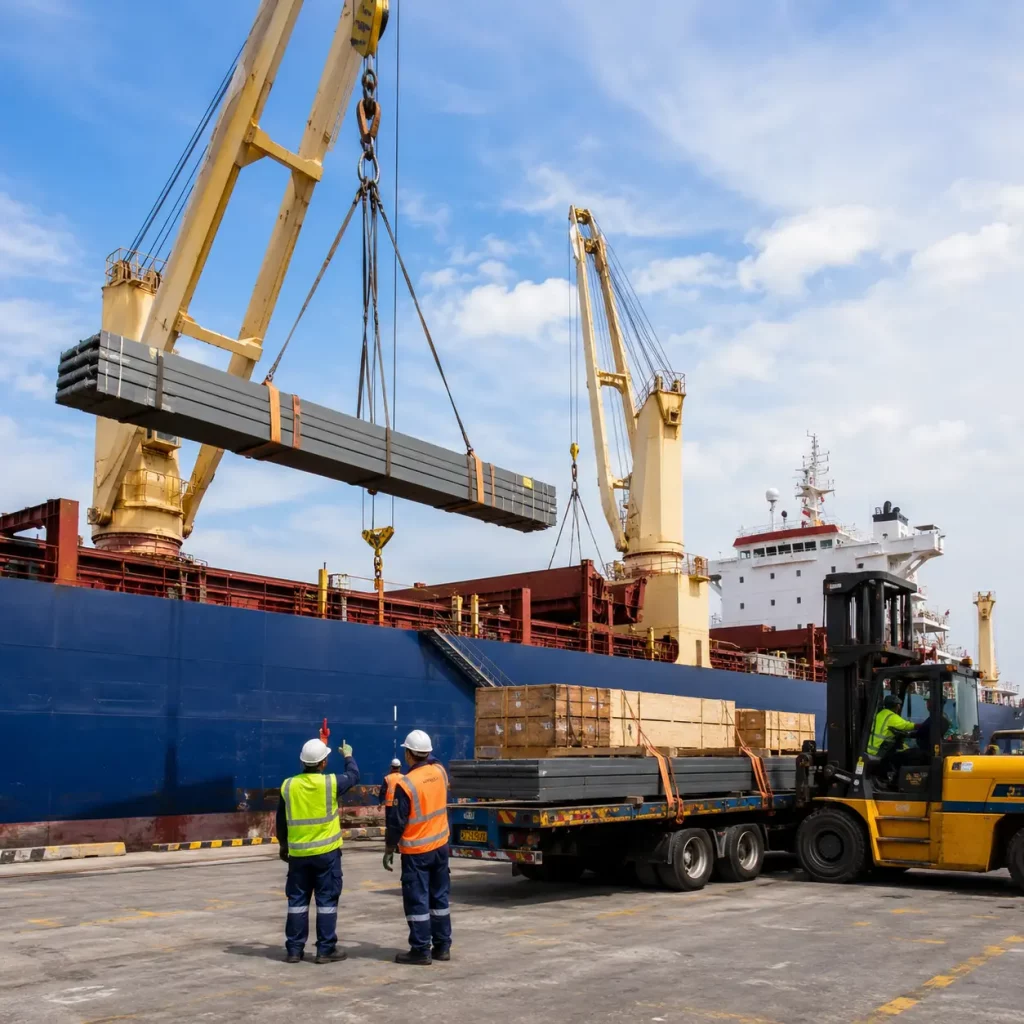

Usama had spent weeks preparing a shipment of electronics for a client in Riyadh. The products were packed, labeled, and ready to go. He expected the delivery to arrive within a few days.
Instead, his cargo was held at customs.
The reason wasn’t damaged goods or unpaid duties; it was a missing document required under Saudi Arabia’s import rules in the UAE. Every extra day at the border meant storage charges, delayed delivery, and an unhappy customer.
Fortunately, his freight partner stepped in, corrected the paperwork, and cleared the shipment with minimal delay.
Stories like this happen more often than many businesses realize. Shipping between the UAE and Saudi Arabia is efficient, but success depends on understanding customs regulations, documentation, and choosing the right logistics partner.
If you’re planning to send cargo to Saudi Arabia from Dubai, knowing the rules before shipping can save you time, money, and unnecessary stress.
Why Shipping from Dubai to Saudi Arabia Is Growing
Dubai has become one of the Middle East’s leading logistics hubs. Every day, thousands of shipments leave the UAE for Saudi Arabia, carrying everything from consumer goods and electronics to machinery, furniture, medical equipment, and retail products.
Saudi Arabia’s growing economy and increasing demand for imported goods have made cross-border shipping more important than ever.
However, successful deliveries depend on much more than transportation. They require proper documentation, customs compliance, and experienced logistics planning.
Understanding Saudi Arabia Import Rules UAE
One of the biggest mistakes businesses make is assuming that shipping within the GCC means fewer customs requirements.
While trade between the UAE and Saudi Arabia is streamlined, shipments must still comply with Saudi Arabia’s import rules (UAE).
These regulations ensure that imported goods meet Saudi customs, tax, and product compliance standards.
Failure to meet these requirements may result in:
- Customs delays
- Additional inspection fees
- Shipment holds
- Penalties
- Returned cargo
Understanding these regulations before shipping helps avoid costly surprises.
Essential Documents Required
Whether you’re shipping commercial goods or large consignments, you’ll typically need:
Commercial Invoice
This includes:
- Product description
- Quantity
- Value
- Seller and buyer information
Packing List
Customs officers use this to verify:
- Number of packages
- Weight
- Dimensions
- Contents
Certificate of Origin
Some products require proof of where they were manufactured.
Customs Declaration
Every shipment entering Saudi Arabia must be declared accurately.
Incorrect declarations can significantly delay customs clearance.
Transport Documents
Depending on your shipping method, these may include:
- Road transport documents
- Air Waybill (AWB)
- Bill of Lading (B/L)
Restricted and Prohibited Items
Before sending cargo to Saudi Arabia from Dubai, always verify whether your products can legally enter Saudi Arabia.
Certain goods require special approvals, while others may be prohibited entirely.
Examples include:
- Certain pharmaceutical products
- Alcohol
- Tobacco (subject to regulations)
- Hazardous chemicals
- Counterfeit products
- Restricted communication devices
Checking product eligibility before shipping prevents unnecessary delays.
Packaging Matters More Than You Think
Proper packaging protects your shipment throughout transportation and customs inspections.
Good packaging should:
- Prevent product damage
- Include clear shipping labels
- Display handling instructions
- Meet international freight standards
Poor packaging can lead to damaged goods or rejected shipments.
Customs Clearance: Where Most Delays Happen
Customs clearance is often the most critical stage of international shipping.
Delays usually happen because of:
- Incorrect HS codes
- Missing invoices
- Inaccurate product descriptions
- Wrong declared values
- Missing certificates
An experienced logistics provider checks these details before the shipment leaves Dubai, reducing the chances of customs issues.
Why Choosing the Right Freight Partner Matters
Shipping isn’t simply about moving goods from one country to another.
A professional freight forwarding company in dubai provides:
- Shipment planning
- Customs documentation
- Cargo consolidation
- Real-time shipment tracking
- Customs clearance support
- Delivery coordination
Instead of dealing with multiple service providers, businesses can manage the entire shipping process through one experienced logistics partner.
Why Businesses Trust Fast Ship
At Fast Ship, we understand that every shipment represents someone’s business, customer relationship, or investment.
Our experienced logistics team helps businesses shipping cargo to Saudi Arabia from Dubai by offering:
- Complete documentation support
- Customs clearance assistance
- Door-to-door delivery solutions
- Air, road, and sea freight options
- Secure cargo handling
- Shipment tracking from pickup to delivery
Rather than simply transporting goods, we focus on making international shipping smooth, compliant, and reliable.
Common Shipping Mistakes to Avoid
Many first-time exporters make avoidable mistakes, including:
Waiting Until the Last Minute
Customs paperwork should be prepared before cargo pickup.
Choosing the Cheapest Freight Option
Lower shipping costs can sometimes result in longer transit times or fewer support services.
Reliable logistics often save more money in the long run.
Incorrect Product Information
Even small errors in invoices or declarations can cause customs delays.
Accuracy is essential.
Ignoring Saudi Import Regulations
Businesses should regularly review Saudi Arabia import rules and UAE as customs requirements and compliance standards may change over time.
Tips for Faster Customs Clearance
To improve shipping efficiency:
- Double-check all documents before dispatch
- Use accurate HS codes
- Clearly describe every product
- Package goods professionally
- Work with an experienced freight forwarding company in dubai
- Confirm Saudi import requirements before shipment
Following these best practices significantly reduces delays.
Final Thoughts
Shipping goods internationally doesn’t have to be complicated but it does require preparation.
Whether you’re sending commercial products, retail inventory, or industrial equipment, understanding Saudi Arabia Import Rules UAE helps ensure your shipment reaches its destination without unnecessary delays.
If you’re looking for reliable cargo to Saudi Arabia from Dubai, partnering with an experienced freight forwarding company in Dubai like Fast Ship gives you confidence that every step from documentation and customs clearance to final delivery is handled professionally.
Because in international logistics, the fastest shipment isn’t always the one that leaves first; it’s the one that’s prepared correctly from the start.