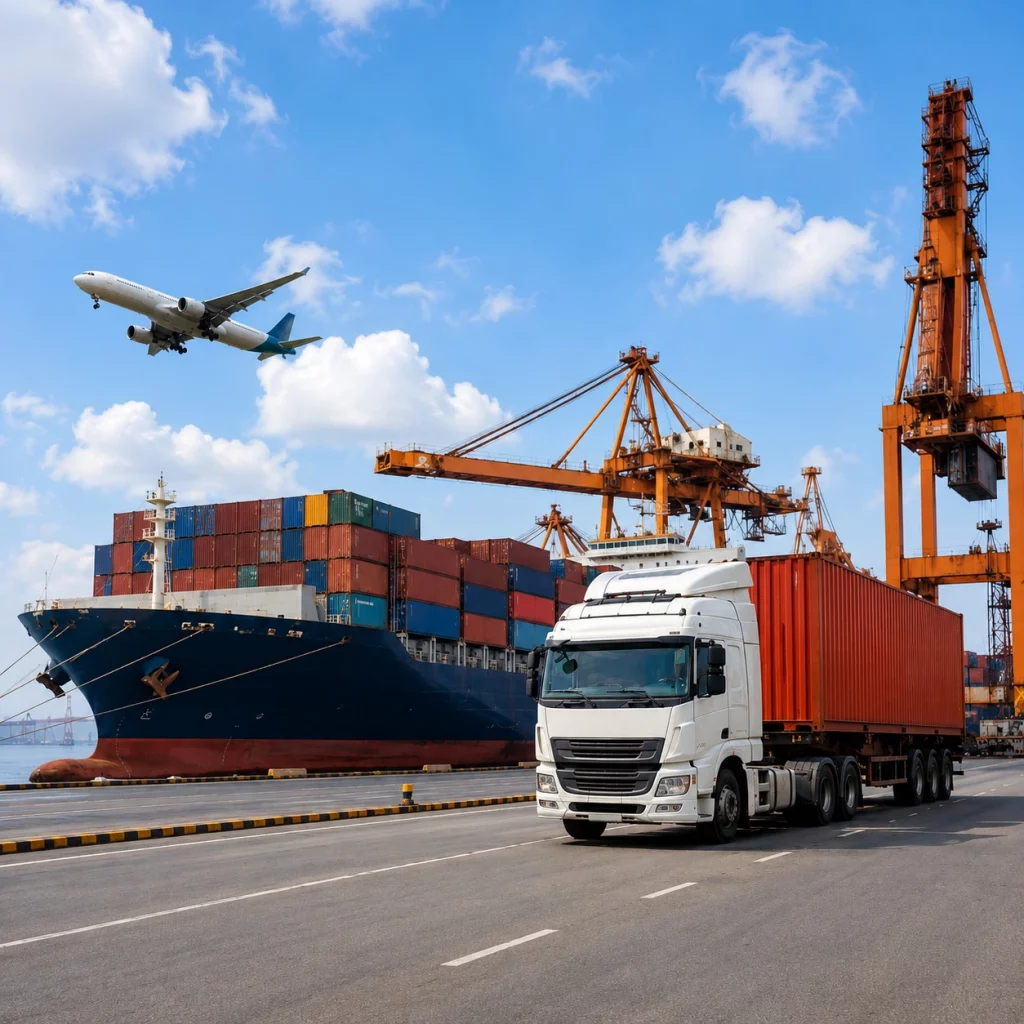

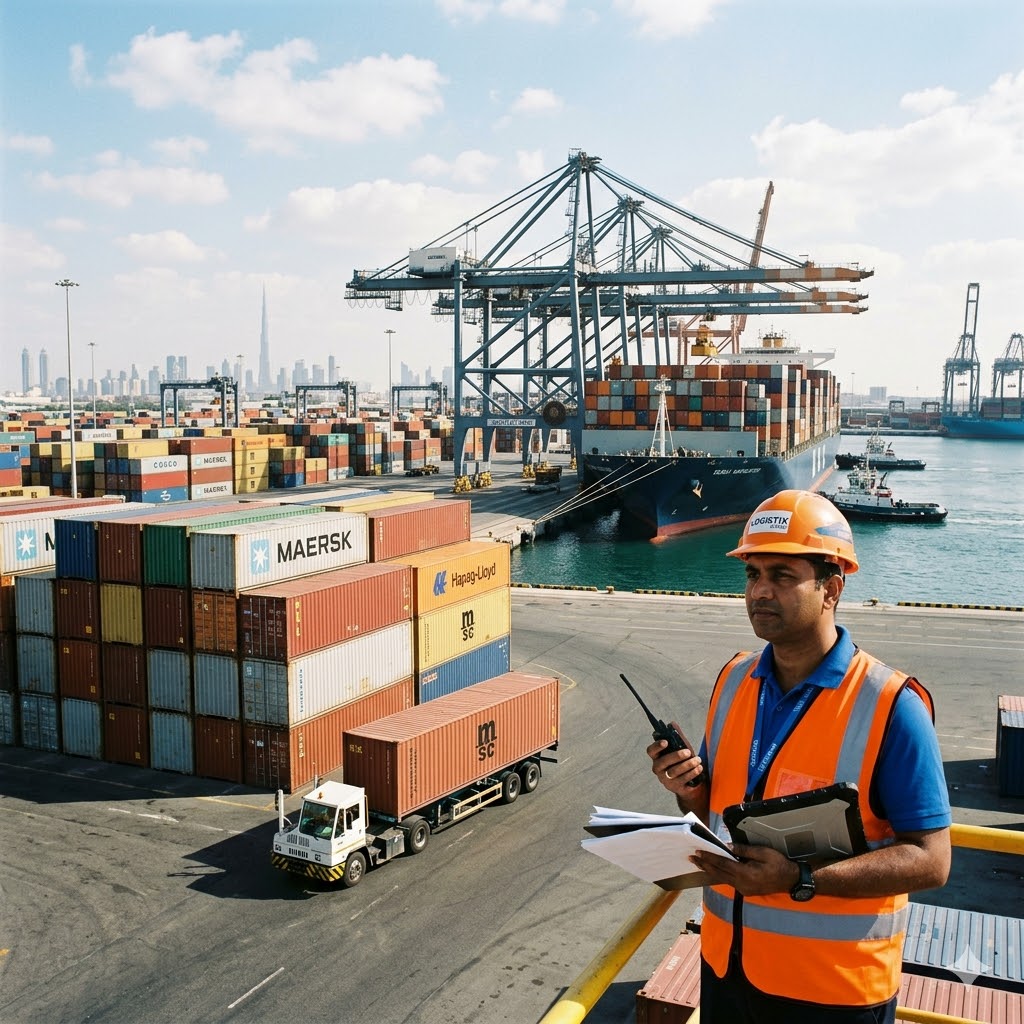
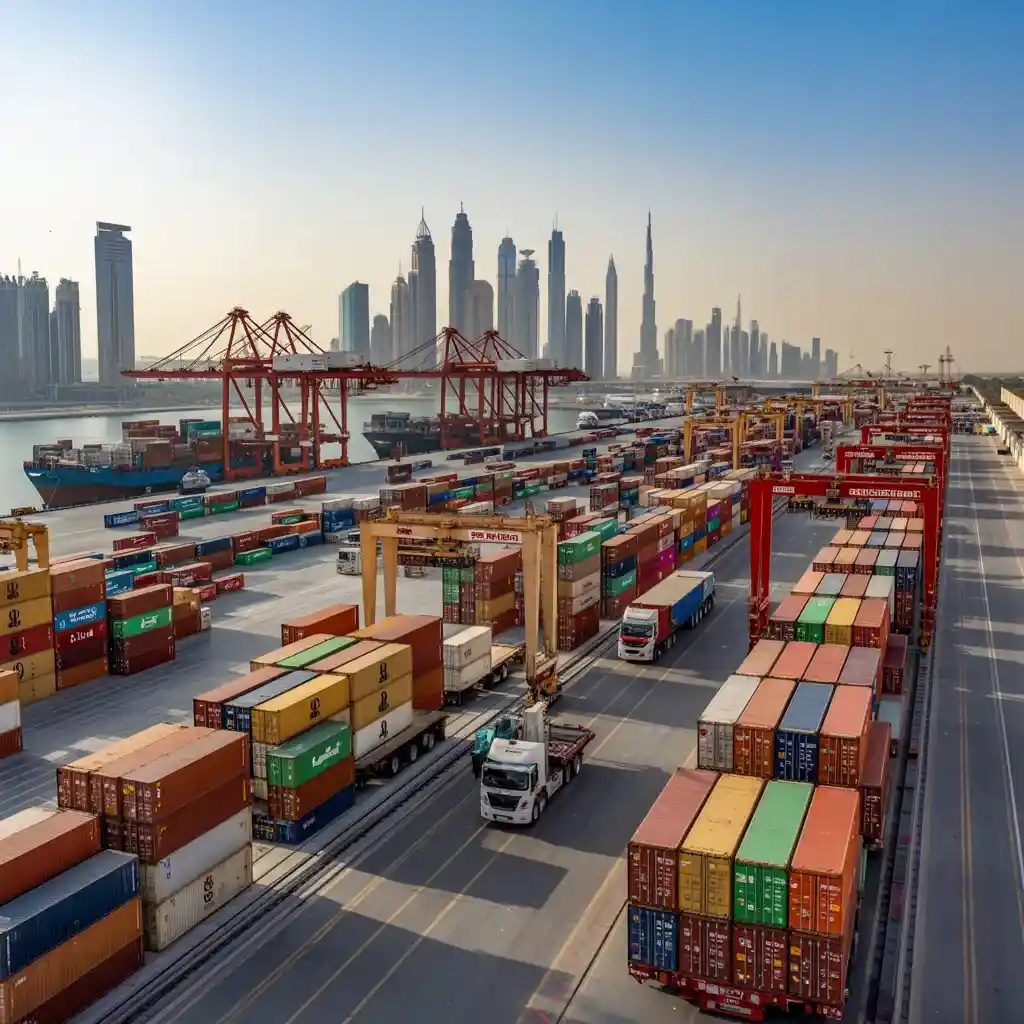
Dubai didn’t become the world’s third-largest re-export hub by accident. Sitting at the crossroads of Asia, Europe, and Africa, the emirate moves billions of dollars in goods every year through its ports, airports, and free zones. But behind every shipment that clears customs on time and arrives intact, there’s usually a freight forwarder doing the heavy lifting.
If you’re importing electronics from China, exporting cosmetics to Saudi Arabia, or simply trying to figure out why your last shipment got stuck at Jebel Ali, choosing the right logistics partner changes everything. This guide breaks down what a freight forwarding company in Dubai actually does, what you should expect to pay, and how to spot a provider worth trusting.
What Does a Freight Forwarding Company Do?
A freight forwarder is essentially the project manager of your shipment. They don’t typically own the ships, planes, or trucks themselves, but they coordinate every moving piece of getting your cargo from point A to point B.
That includes booking cargo space, handling customs paperwork, arranging insurance, managing warehousing, and troubleshooting when things go sideways (and in international logistics, they often do). A good forwarder turns a fragmented supply chain into a single, manageable process.
In Dubai specifically, forwarders also navigate the unique landscape of free zones like JAFZA, DAFZA, and DMCC, each with its own customs procedures and documentation requirements.
Core Services Offered by Dubai Freight Forwarders
Sea Freight
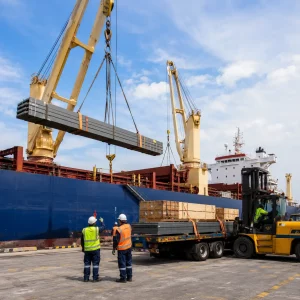
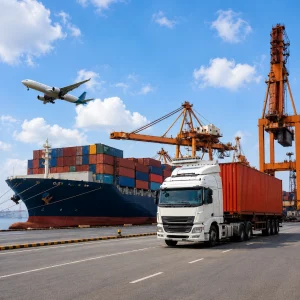
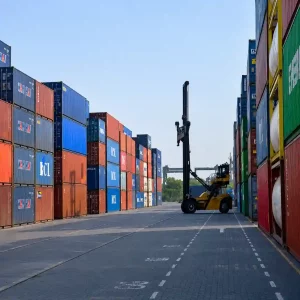
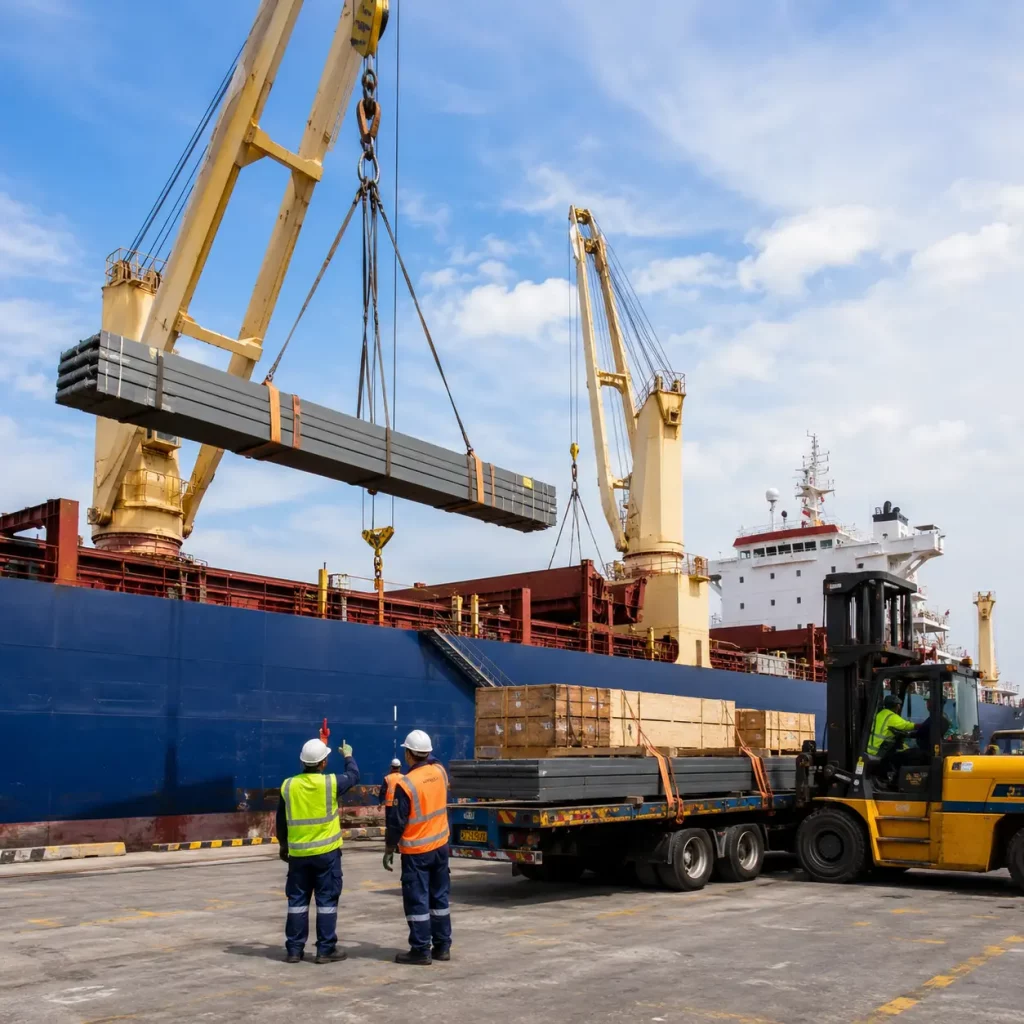
With Jebel Ali Port ranking among the busiest container ports globally, sea freight remains the backbone of Dubai’s trade economy. Forwarders offer both FCL (Full Container Load) and LCL (Less than Container Load) options, depending on shipment volume.
Air Freight
For time-sensitive cargo, Dubai International and Al Maktoum airports handle massive volumes of air freight daily. Air shipping costs more, but for high-value or perishable goods, it’s often the only practical choice.
Land Freight and GCC Transport
Cross-border trucking is huge in this region. Companies regularly move Dubai to Saudi Arabia cargo through the Al Batha and Hafeet border crossings, and a reliable forwarder handles the documentation, customs bonds, and route planning that make these shipments work.
Customs Clearance
Dubai Customs has digitized most processes, but the paperwork still trips up businesses unfamiliar with HS codes, certificates of origin, and restricted goods lists. Experienced freight forwarders in Dubai handle clearance daily and know how to avoid costly delays.
Warehousing and Distribution
Many forwarders operate bonded warehouses where goods can be stored, consolidated, repackaged, or distributed locally. This is particularly useful for e-commerce businesses and regional distributors.
Door-to-Door Solutions
For businesses that want a hands-off experience, door to door cargo Dubai services handle everything from pickup at the supplier’s warehouse to delivery at the buyer’s address, including all transit and customs steps.
DDP Shipping
Delivered Duty Paid is increasingly popular with online sellers and small importers. With DDP service in Dubai, the forwarder takes responsibility for duties, taxes, and final delivery, so the buyer receives goods without any surprise charges.
What Affects Freight Forwarding Costs in Dubai
Pricing in freight forwarding is rarely a flat rate, and anyone who quotes you a single number without asking questions probably isn’t being thorough. Costs depend on a mix of variables:
- Mode of transport – air, sea, and land each have different cost structures
- Cargo volume and weight – chargeable weight often differs from actual weight
- Origin and destination – port pairs, trade lanes, and distance all matter
- Incoterms – who pays for what is defined by terms like EXW, FOB, CIF, or DDP
- Cargo type – hazardous, refrigerated, or oversized goods carry surcharges
- Customs duties – calculated based on HS classification and declared value
- Fuel and currency fluctuations – BAF and CAF adjustments are common
- Seasonality – peak seasons (pre-holidays, Ramadan) push rates higher
Rather than focusing on the cheapest quote, look at the total landed cost and the reliability of the service. A forwarder who saves you a few dirhams but misses your delivery window can cost you a customer.
Why Businesses in Dubai Rely on Freight Forwarders
Handling logistics in-house sounds doable until you’ve spent three days arguing with a shipping line about a misrouted container. Here’s what a competent forwarder actually delivers:
Negotiated rates – Forwarders move volume, so they get carrier rates that individual shippers can’t access on their own.
Risk management – From cargo insurance to contingency planning, they protect you against losses you might not even know to worry about.
Compliance expertise – UAE regulations shift, and so do international ones. A forwarder stays current so you don’t have to.
Time savings – Outsourcing logistics frees your team to focus on sales, sourcing, and growth instead of chasing tracking numbers.
Network access – Established forwarders have agents and partners in ports worldwide, which matters when problems need to be solved locally and fast.
How to Choose the Right Freight Forwarder
Not all forwarders are equal, and the gap between a good one and a mediocre one shows up the moment something goes wrong. Before signing a contract, check for licensing, industry memberships (FIATA, IATA), insurance coverage, and a track record with shipments similar to yours.
References matter. So does responsiveness – if it takes two days to get a quote, expect the same pace when your container is sitting in port. For a detailed checklist, explore essential tips on choosing the best freight forwarder in Dubai to ensure your shipment is handled efficiently and on time.
The Role of Technology in Modern Freight Forwarding
The industry has moved past phone calls and fax machines. Today’s leading forwarders offer real-time tracking dashboards, automated documentation, electronic Bills of Lading, and integration with customer ERP systems. If a provider can’t tell you where your container is in real time, they’re behind the curve.
Digital freight platforms also bring transparency to pricing and route options, helping shippers make informed decisions without endless email chains.
Common Mistakes Importers and Exporters Make
A few patterns come up repeatedly with businesses new to international shipping:
- Choosing a forwarder based on price alone
- Misunderstanding Incoterms and ending up responsible for unexpected costs
- Providing incomplete or inaccurate commercial invoices
- Underestimating transit times during peak seasons
- Skipping cargo insurance to save a small premium
Each of these can turn a routine shipment into a costly headache. A trustworthy forwarder will flag these issues before they become problems.
Final Thoughts
Freight forwarding isn’t just about moving boxes – it’s about moving them predictably, affordably, and without drama. In a trade hub like Dubai, where margins are tight and competition is fierce, the right logistics partner can be the difference between a smooth supply chain and constant firefighting.
If you’re shipping in or out of the UAE and want a partner who treats your cargo like it matters, take the time to vet your options carefully. Ask the hard questions, request references, and don’t settle for vague answers. Your supply chain will thank you for it.
FAQ
- What’s the difference between a freight forwarder and a shipping line?
A shipping line owns and operates the vessels. A freight forwarder books space on those vessels and manages the broader logistics process, including documentation, customs, and inland transport.
- Do I need a freight forwarder for small shipments?
Yes, especially for LCL or air cargo. Forwarders consolidate small shipments to get better rates than you’d find booking directly.
- How long does customs clearance take in Dubai?
For straightforward shipments with complete documentation, clearance can happen within hours. Issues with paperwork, classification, or restricted goods can extend this to days.
- Can a freight forwarder handle hazardous cargo?
Reputable forwarders with the right certifications can handle dangerous goods, but you need to disclose the nature of the cargo upfront for proper handling and documentation.
- What is DDP and when should I use it?
Delivered Duty Paid means the seller (or forwarder on their behalf) covers all costs, including duties and taxes, until the goods reach the buyer. It’s ideal for e-commerce and simplifies the buyer’s experience.
- Are freight rates negotiable?
Yes, particularly for regular shippers with predictable volume. Building a long-term relationship with a forwarder usually unlocks better pricing.