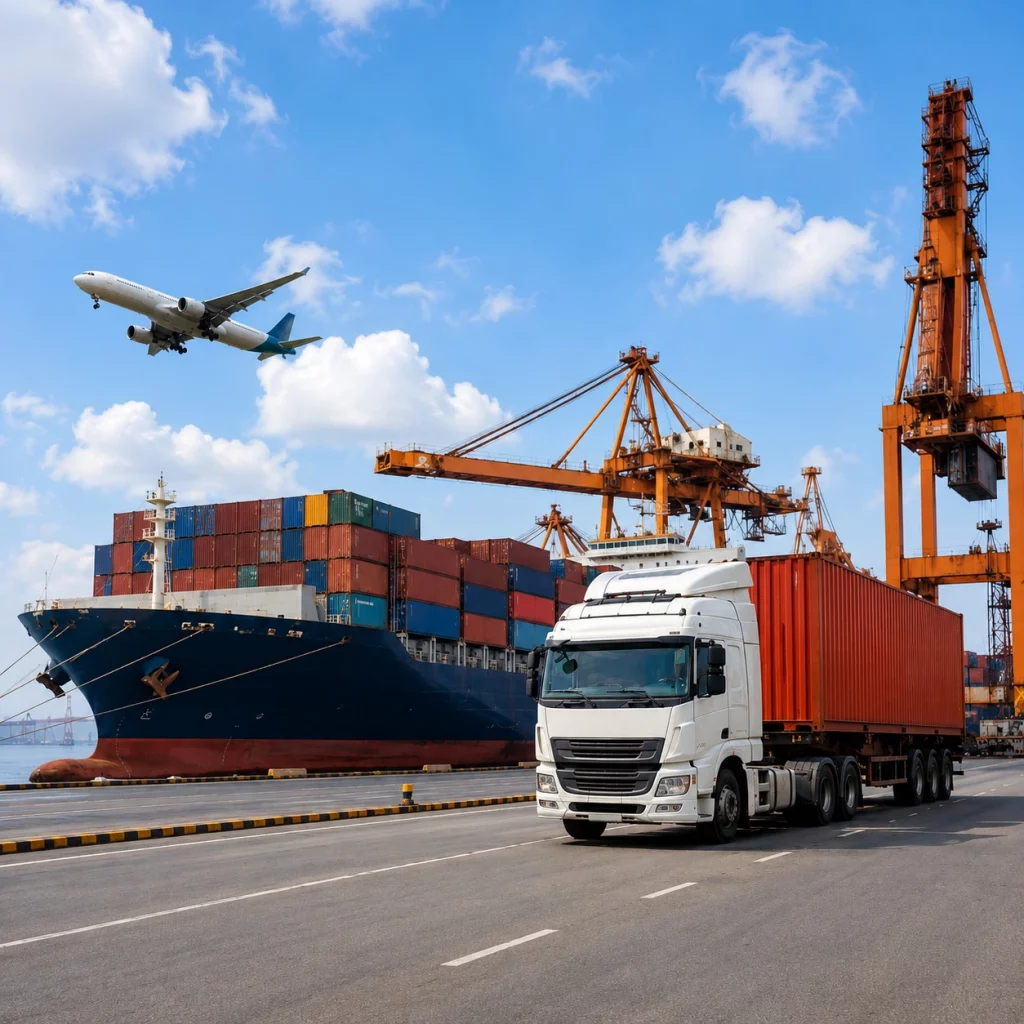
Choosing between door to door vs port to port shipping depends on how much control, convenience, and responsibility you want during the shipping process. Door-to-door shipping handles everything from pickup to final delivery, while port-to-port shipping only covers transportation between two ports. Businesses with logistics teams often choose port-to-port to reduce costs, but most individuals and SMEs prefer door-to-door because it removes the stress of customs clearance, trucking, and paperwork.
A lot of customers make the mistake of comparing prices only. Then unexpected port fees, delays, and handling charges start appearing later. That’s where the real difference between these two shipping methods becomes obvious.
Understanding Door to Door vs Port to Port Shipping
The biggest difference between door to door vs port to port shipping is responsibility.
With door-to-door shipping, the logistics company manages the shipment from your location to the final destination. Pickup, customs coordination, freight movement, and last-mile delivery all come under one service.
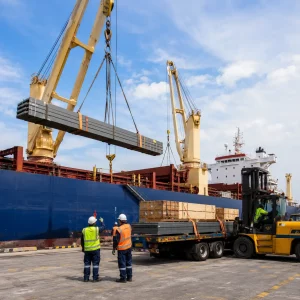
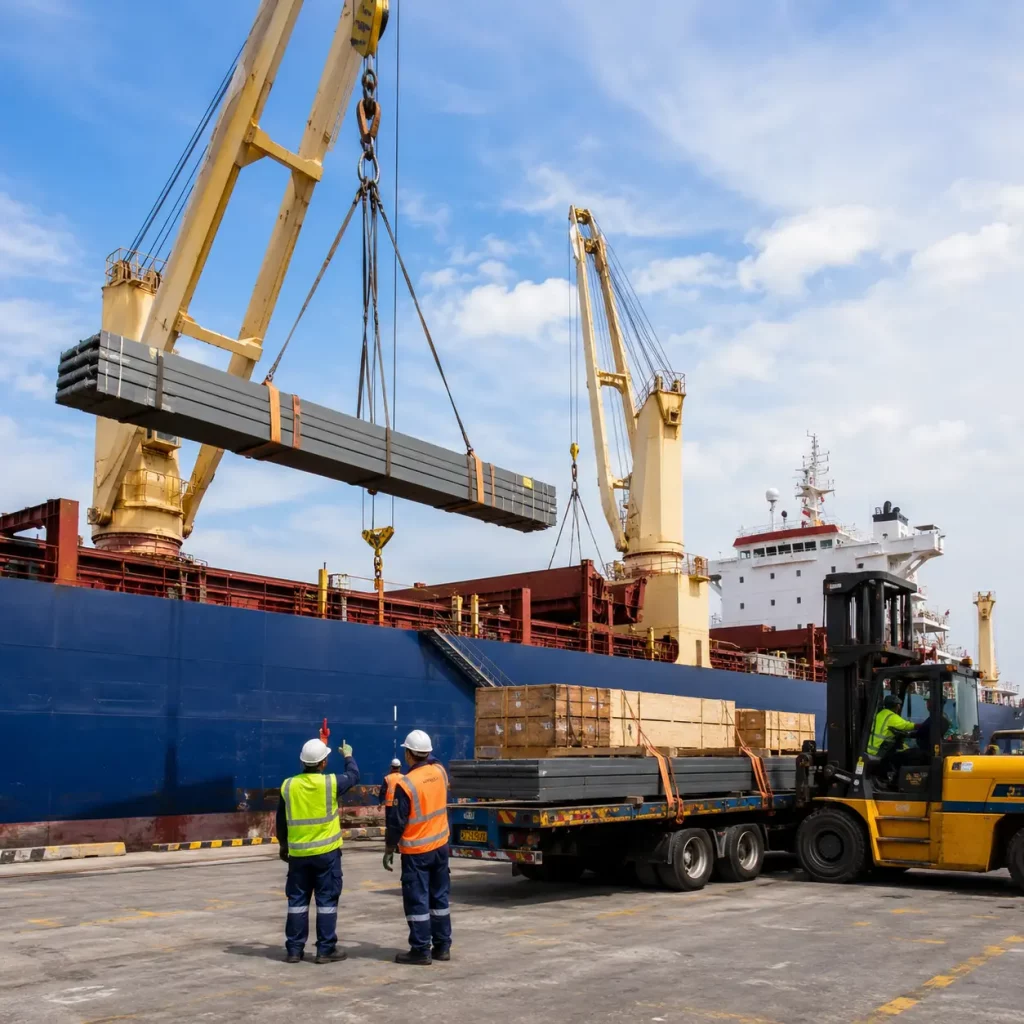
Port-to-port shipping works differently. The shipping provider only moves cargo between two ports. Everything else transporting goods to the origin port, customs clearance, terminal handling, and delivery after arrival stays your responsibility.
That setup works well for experienced importers. For first-time shippers, though, port logistics can become overwhelming very quickly.
What Is Door-to-Door Shipping?
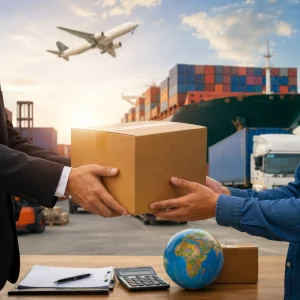
Door-to-door shipping is a complete logistics solution where your cargo gets collected from your home, office, warehouse, or supplier and delivered directly to the receiver’s address.
Most customers choose this option because they want a smoother shipping experience without managing multiple service providers. Companies offering door to door cargo Dubai services usually coordinate the entire process, including:
- Cargo pickup
- Documentation
- Customs clearance
- Freight movement
- Final delivery
For example, a family relocating from Dubai to Saudi Arabia usually doesn’t want to deal with port handling companies, customs agents, and trucking providers separately. One logistics partner handling everything feels much easier.
Why Customers Prefer Door-to-Door Shipping
Less Coordination and Fewer Delays
One company controls the shipment from beginning to end. That reduces communication gaps and helps avoid delays caused by missing paperwork or transport scheduling issues.
According to logistics discussions shared by freight professionals, customers handling port logistics themselves often struggle with container release procedures, pickup appointments, and customs coordination.
Better for Personal and SME Shipments
Door-to-door shipping works especially well for:
- Household cargo
- Furniture shipments
- E-commerce deliveries
- Electronics and personal items
- Small business exports
Many businesses using shipping from Dubai to Saudi Arabia choose door-to-door service because customs requirements and border procedures can slow shipments down if documentation isn’t managed properly.
More Predictable Costs
Door-to-door pricing usually includes transportation, handling, and coordination charges together. Customers know the estimated total cost before shipping starts.
That transparency matters because port-related charges can rise quickly if cargo gets delayed.
What Is Port-to-Port Shipping?
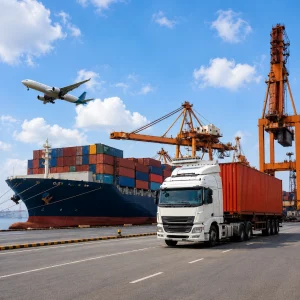
Port-to-port shipping only includes transportation from the port of origin to the destination port.
The shipping company moves your cargo overseas, but you handle everything before departure and after arrival.
This option remains popular among commercial importers because they already have customs brokers, warehouse teams, and trucking partners managing local operations.
Why Businesses Choose Port-to-Port Shipping
Lower Initial Shipping Rates
Port-to-port shipping generally costs less upfront because fewer services are included.
Large businesses shipping commercial containers regularly often save significant amounts through this model.
More Operational Control
Some companies prefer selecting their own trucking partners, customs agents, and warehouse providers instead of depending entirely on a freight company.
Businesses working with experienced freight forwarders in Dubai often manage different shipping stages independently to improve flexibility and negotiate better local rates.
Suitable for Commercial Cargo
Industrial machinery, wholesale products, raw materials, and bulk shipments commonly move through port-to-port services because businesses already operate near ports or industrial zones.
Door to Door vs Port to Port: Key Differences
Here’s where the real comparison becomes clearer.
| Feature | Door-to-Door Shipping | Port-to-Port Shipping |
| Cargo Pickup | Included | Not Included |
| Final Delivery | Included | Customer Arranges |
| Customs Coordination | Usually Managed | Customer Handles |
| Convenience | High | Moderate |
| Upfront Cost | Higher | Lower |
| Hidden Charges Risk | Lower | Higher |
| Best For | Individuals & SMEs | Large Businesses |
Many customers assume port-to-port automatically saves money. In reality, extra costs often appear later through:
- Terminal handling charges
- Storage fees
- Customs clearance costs
- Trucking expenses
- Documentation charges
Several logistics experts mention that customers unfamiliar with port operations often underestimate how complicated container collection and release procedures can become.
Which Shipping Option Is Faster?
Shipping speed depends on coordination more than distance.
Door-to-door services often move faster overall because the logistics provider arranges customs clearance, transport scheduling, and delivery before the shipment arrives.
Port-to-port shipping can work efficiently too, but delays become common when customers are unprepared for customs processing or local transportation arrangements.
For first-time international shipping, door-to-door usually creates fewer interruptions.
Which Shipping Option Is Better for You?
The right choice depends on your shipment type and logistics experience.
Choose Door-to-Door Shipping If:
- You want a stress-free process
- You’re shipping personal cargo
- You don’t have customs experience
- You need complete delivery support
- You want fewer coordination headaches
Choose Port-to-Port Shipping If:
- You already manage logistics operations
- You have customs brokers and trucking partners
- You regularly import or export cargo
- You want maximum control over shipping costs
A lot of growing businesses actually use both methods depending on the shipment size and destination.
Why Businesses Trust Fastship for International Cargo
International shipping involves much more than simply moving containers between countries. Customs rules, transportation timing, cargo handling, and local coordination all affect the final delivery experience.
That’s why businesses and individuals rely on Fastship for reliable cargo support across different shipment types. Whether you need full door-to-door handling or freight forwarding assistance, experienced logistics coordination can prevent costly delays and unexpected charges later.
Final Thoughts
Choosing between door to door vs port to port shipping comes down to convenience versus control. Some customers prefer a complete hands-off experience, while others want to manage shipping operations independently to reduce costs.
Fastship helps businesses and individuals choose the right shipping method based on cargo type, destination, and budget. If you’re planning an international shipment and want to avoid unnecessary delays or hidden charges, speaking with the Fastship team before booking can save a lot of time later.
Frequently Asked Questions
Is door-to-door shipping more expensive?
Usually, yes. Door-to-door shipping includes additional services like pickup, customs coordination, and final delivery, so the upfront price tends to be higher.
Why do businesses choose port-to-port shipping?
Businesses with existing logistics teams often prefer port-to-port because they already manage customs clearance and inland transportation separately.
Which option is safer for personal cargo?
Door-to-door shipping generally feels safer for personal shipments because fewer third parties handle the cargo during transit.
Can small businesses use port-to-port shipping?
Yes, but businesses without logistics experience may struggle with customs clearance, terminal charges, and transportation coordination.