
Sea freight is the backbone of international trade in the Gulf region. If you’re importing or exporting goods, understanding how sea freight works and working with reliable providers like Fast Ship in Dubai can help you reduce costs, avoid delays, and ensure smooth delivery.
What Is Sea Freight and Why Does It Matter in the GCC
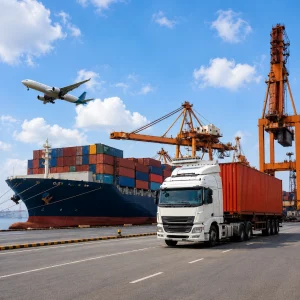
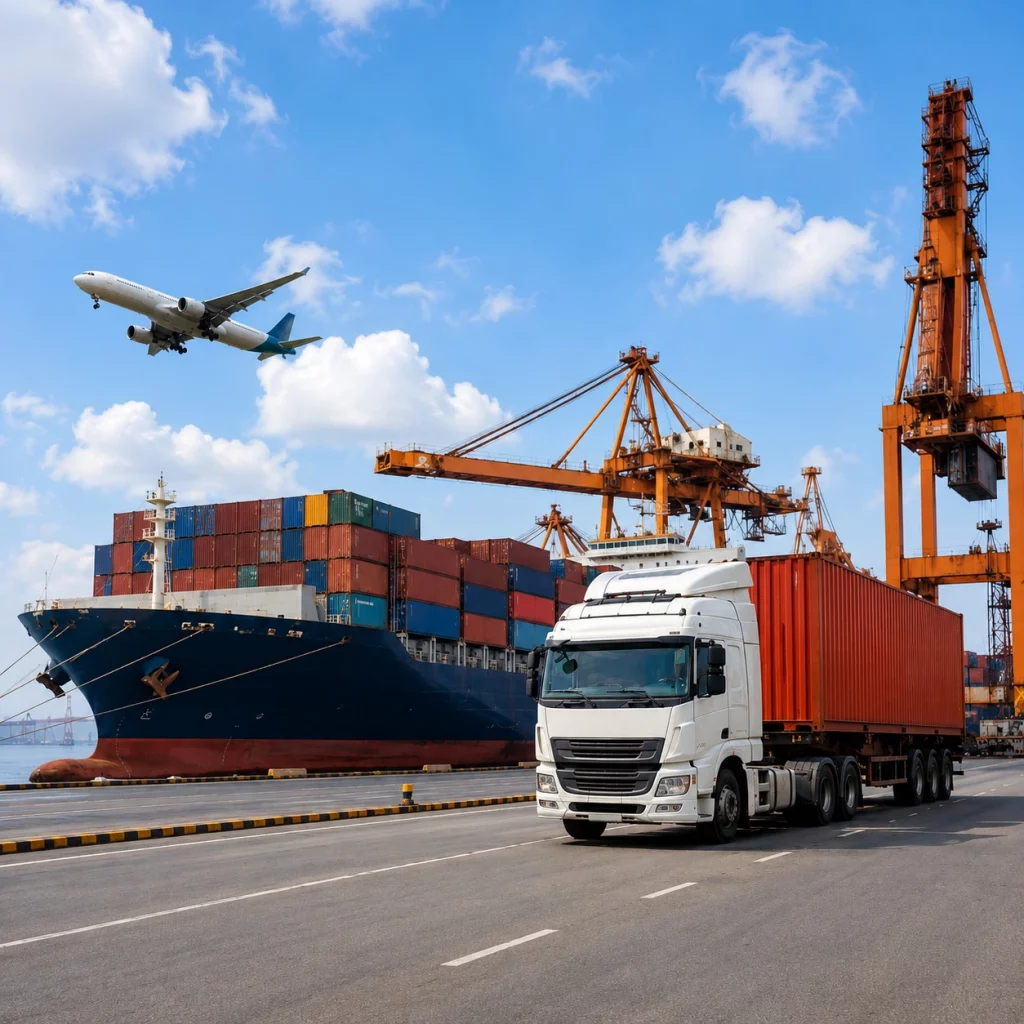
Sea freight refers to transporting goods via cargo ships across international waters. In the GCC, it is the most preferred method for bulk and commercial shipments due to its cost efficiency.
Why Businesses Choose Sea Freight
- Lower cost compared to air freight
- Ideal for heavy and large cargo
- Reliable for long-distance shipping
- Suitable for commercial and industrial goods
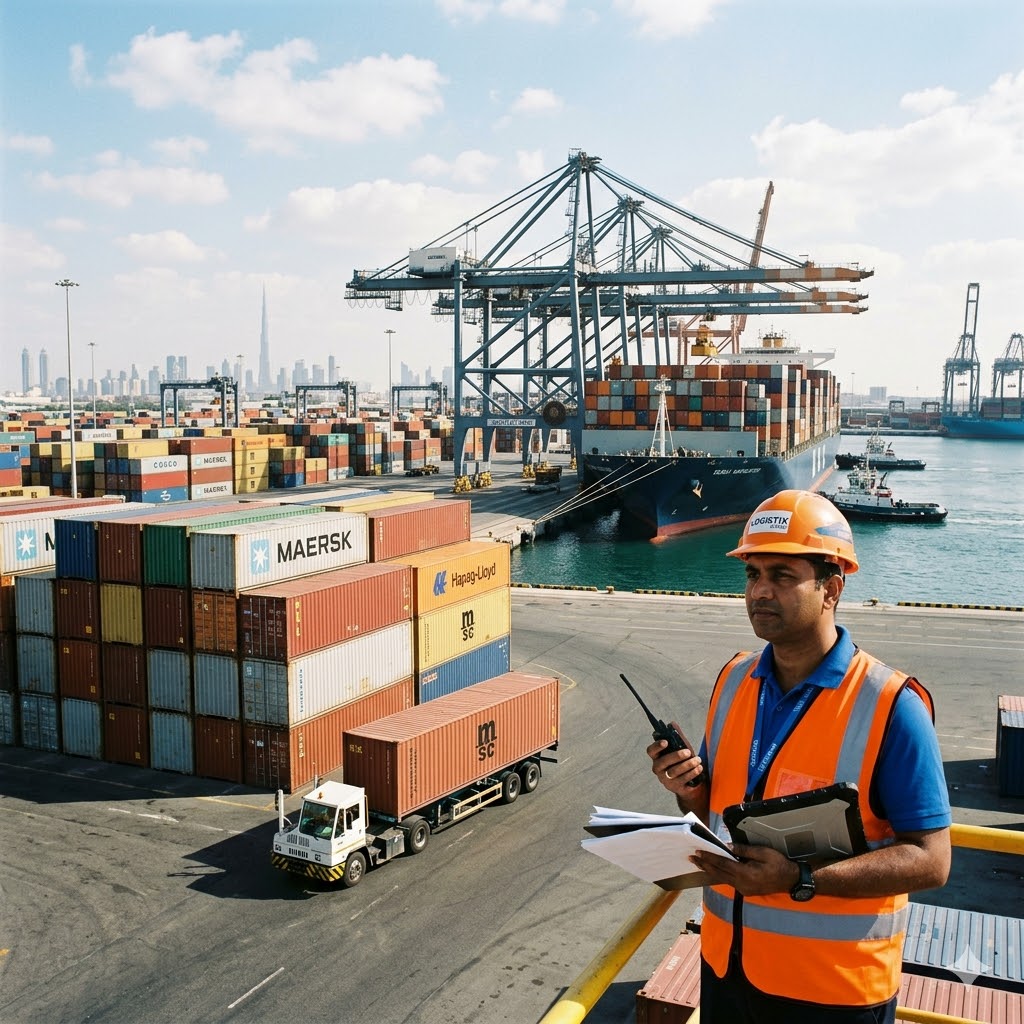
Major ports like Jebel Ali (UAE), Dammam (Saudi Arabia), and Hamad Port (Qatar) handle millions of containers annually, making sea freight essential for regional trade.
Step-by-Step Sea Freight Process in Dubai & GCC
Booking and Documentation
The process starts by booking cargo space through a reliable freight forwarding company in Dubai, which ensures proper handling and smooth coordination from the start.
Key Documents Required
- Bill of Lading (B/L)
- Commercial Invoice
- Packing List
- Certificate of Origin
In GCC shipments, incorrect HS codes or missing paperwork are one of the most common causes of customs delays. Even a small error can delay clearance by 2 to 3 days.
Cargo Pickup and Container Loading
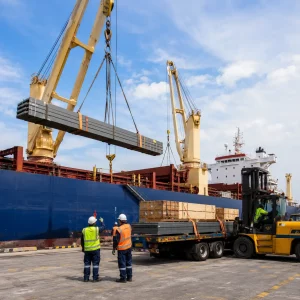
Once booked, goods are collected and transported to the port for containerization.
Shipping Options
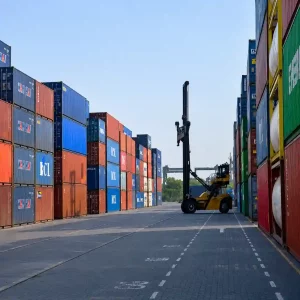
- FCL (Full Container Load): Best for large shipments
- LCL (Less than Container Load): Cost-effective for smaller cargo
Improper packaging is a major issue in sea freight, so exporters often use moisture-resistant packing and rely on DDP services in Dubai for smoother delivery.
Port Handling and Export Clearance
At the origin port:
- Cargo is inspected
- Export customs clearance is completed
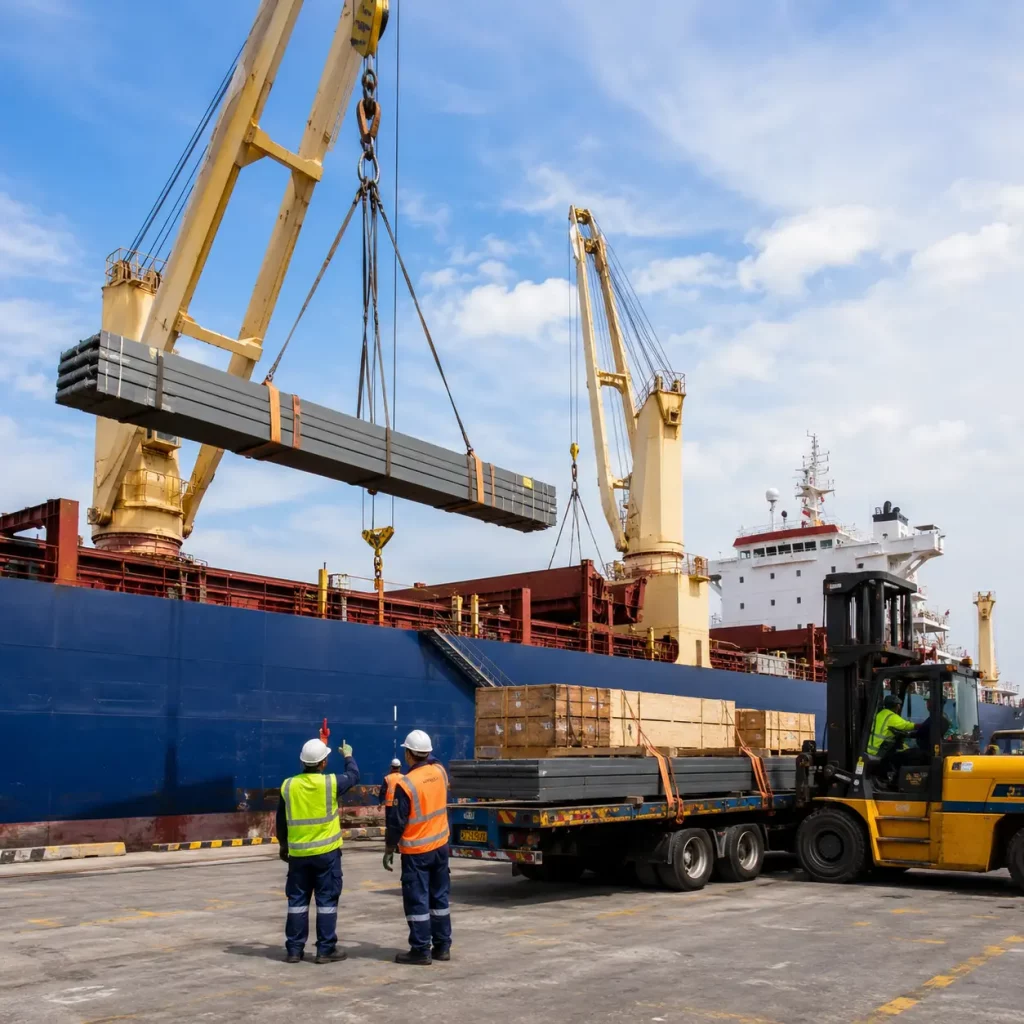
- Containers are loaded onto vessels
Ocean Transit
This is the longest stage in sea freight work.
Average Transit Times to GCC
- Asia to GCC: 2 to 5 weeks
- Europe to GCC: 3 to 6 weeks
Transit times depend on:
- Shipping route
- Weather conditions
- Vessel schedules
Many businesses reduce delays by choosing direct shipping routes rather than transshipment.
Import Clearance and Final Delivery
When the cargo arrives:
- Import customs clearance is completed
- Duties and VAT are applied
- Shipment is released for delivery
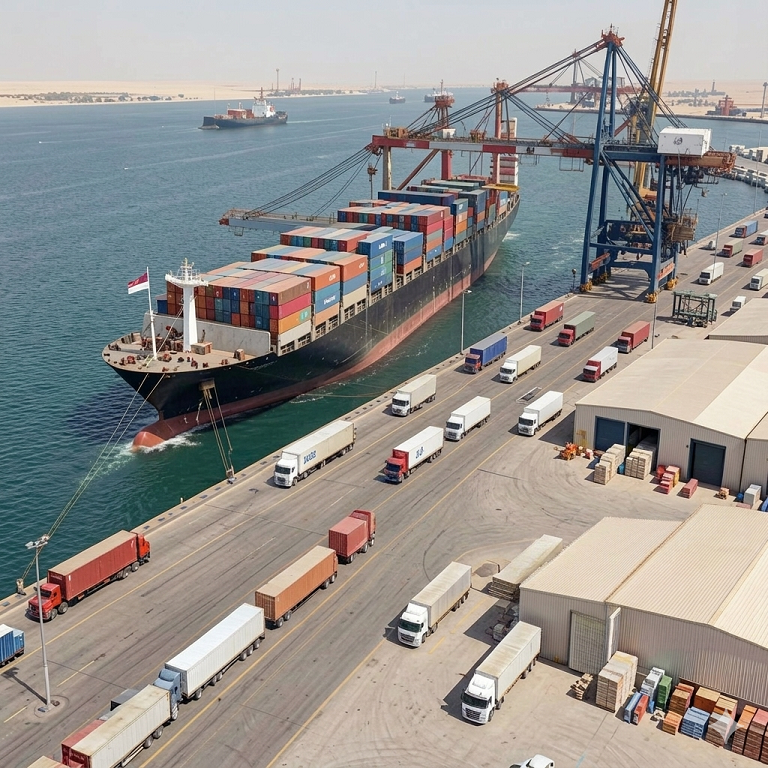
Final delivery is handled via trucks to warehouses or business locations after completing customs clearance in Dubai, ensuring your shipment reaches its destination without delays.
Sea Freight vs Air Freight in the GCC
Understanding alternatives helps clarify how sea freight works in comparison.
| Factor | Sea Freight | Air Freight |
| Cost | Low | High |
| Speed | Slow (takes weeks) | Fast (takes days) |
| Cargo Size | Large & heavy | Limited |
| Best For | Best For | Bulk shipments |
Many businesses in the GCC consider ocean freight a more preferred choice due to the cost factor.
Common Challenges in Sea Freight and How to Avoid Them
Even with a clear understanding of how sea freight works, challenges can arise.
1. Customs Delays: Ensure accurate documentation and HS codes
2. Cargo Damage: Use strong, export-grade packaging
3. Hidden Costs: Confirm all charges upfront (port fees, demurrage, handling)
4. Transit Delays: Plan shipments early, especially during peak seasons
Expert Tips for Hassle-Free Sea Freight
- Work with experienced freight partners to ensure smooth documentation and faster customs clearance in the GCC.
- Choose the right shipping method (FCL or LCL) based on your cargo size to optimize cost and efficiency.
- Plan and track shipments to avoid peak season delays and stay updated on transit progress.
- Use proper packaging and cargo insurance to protect goods from damage during long sea journeys.
Conclusion
Understanding how sea freight works is essential for successful shipping in the GCC. Each step, from booking to delivery, is crucial for cargo safety, and using reliable Door-to-Door cargo in Dubai can simplify the process. With proper planning, documentation, and experienced logistics support, sea freight becomes a reliable and cost-effective solution for global trade.
Why Choose Fast Ship in Dubai for Reliable Sea Freight
When it comes to handling international cargo efficiently, working with a trusted logistics partner makes all the difference. Fast Ship in Dubai brings proven experience in managing sea freight across the GCC, ensuring your shipments move smoothly from port to final delivery.
Frequently Asked Questions
1. Is sea freight safe for fragile goods?
Yes, with proper packaging and handling, sea freight is safe for most types of cargo.
2. What is the cheapest way to ship goods to the GCC?
Sea freight is the cheapest method for large and non-urgent shipments.
3. How does Fast Ship ensure safe cargo delivery?
They use proper handling, secure packaging guidance, and reliable transport methods.