



In today’s fast-moving trade environment, managing logistics efficiently is crucial for growth. A Freight Management System (FMS) is a centralized digital platform that simplifies freight operations—covering shipments by air, sea, or road. With features like shipment tracking, cost optimization, and real-time route management, businesses can stay competitive and meet customer expectations seamlessly.
Companies such as Fast Ship showcase how an FMS can deliver real value, offering end-to-end solutions for businesses across the UAE and GCC.
How Freight Management Systems Support Global Trade
Road Freight
FMS solutions streamline trucking routes, manage customs clearance, and provide live updates. Fast Ship connects businesses through bonded and non-bonded trucking services, enabling smooth Shipping from Dubai to Saudi Arabia, as well as other GCC destinations.
Air Freight
Air freight is essential for urgent deliveries. With an FMS, businesses can manage schedules, optimize costs, and track cargo from take-off to landing. Fast Ship supports both priority and economy services to suit varying business needs.
Sea Freight
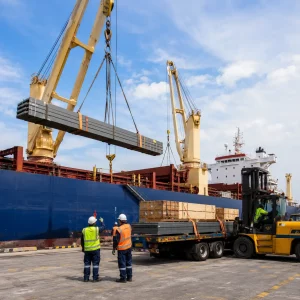
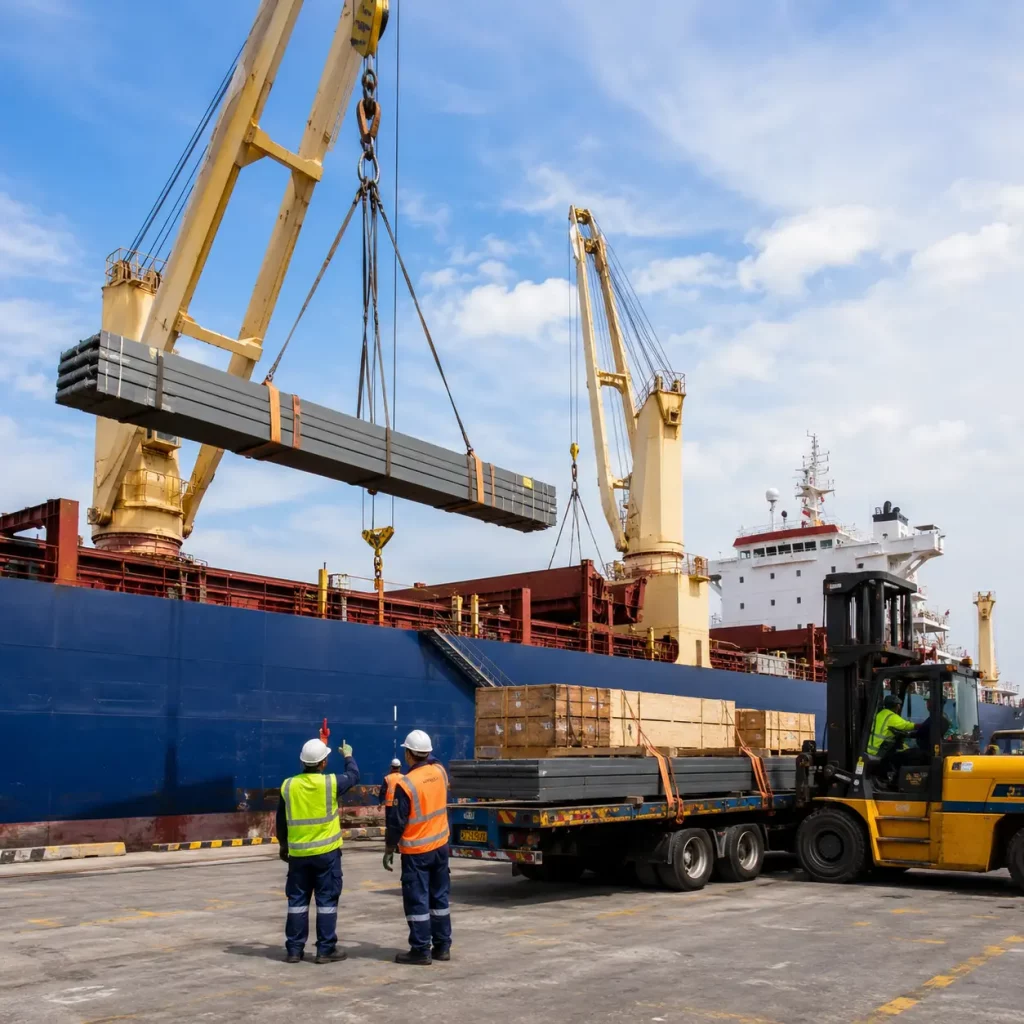
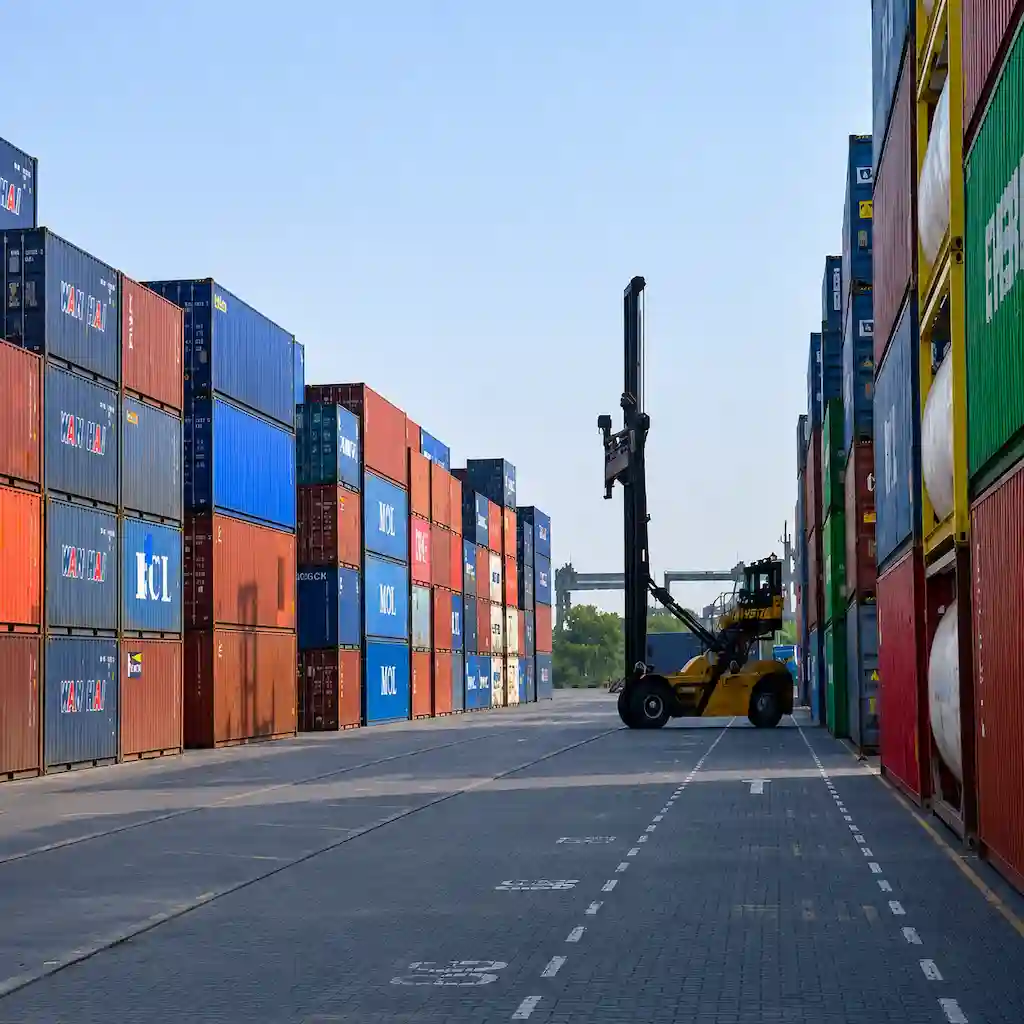
Sea freight provides a cost-efficient way to move bulk cargo. Using an FMS, companies can oversee both FCL and LCL shipments, port processes, and container tracking. Fast Ship ensures smooth operations for businesses managing large-scale imports and exports.
Key Benefits of a Freight Management System
Centralized Tracking & Transparency
Businesses gain complete visibility over shipments across different freight modes—helping improve accuracy and efficiency.
Cost Optimization
By comparing multiple freight options, an FMS helps businesses lower costs. This is especially useful in freight-forwarding, where balancing speed, reliability, and pricing makes a big difference.
Customs & Compliance Management
International trade involves handling duties, taxes, and customs documents. With integrated solutions like DDP (Delivered Duty Paid), businesses reduce delays and ensure compliance.
Beyond Freight: Warehouse & Storage Solutions
A strong FMS isn’t only about moving goods—it also covers warehousing and fulfillment. Services such as Warehouse & Storage help businesses keep inventory secure and close to target markets. Fast Ship offers modern storage facilities in the UAE and Saudi Arabia, enabling businesses to consolidate shipments, restock quickly, and fulfill e-commerce orders with ease.
Why Businesses Choose Freight Management Systems
- Multi-Modal Integration: Manage road, sea, and air under one system.
- Scalability: From small shipments to bulk cargo, FMS supports growth.
- E-Commerce Ready: Platforms like Fast Ship integrate with Amazon and Noon, enabling smooth marketplace operations.
- DDP Services: Simplified customs handling and last-mile delivery.
Conclusion
A Freight Management System is no longer optional—it’s essential for businesses that want to stay efficient, transparent, and cost-effective in today’s trade environment. From Shipping from Dubai to Saudi Arabia to global logistics, FMS solutions provide centralized control across all transport modes.
With added services like freight-forwarding and Warehouse & Storage, platforms such as Fast Ship give businesses an all-in-one logistics advantage, combining road, air, and sea freight with fulfillment and customs support.
For companies looking to expand across the UAE and GCC, investing in an advanced freight management system can transform logistics from a challenge into a competitive advantage