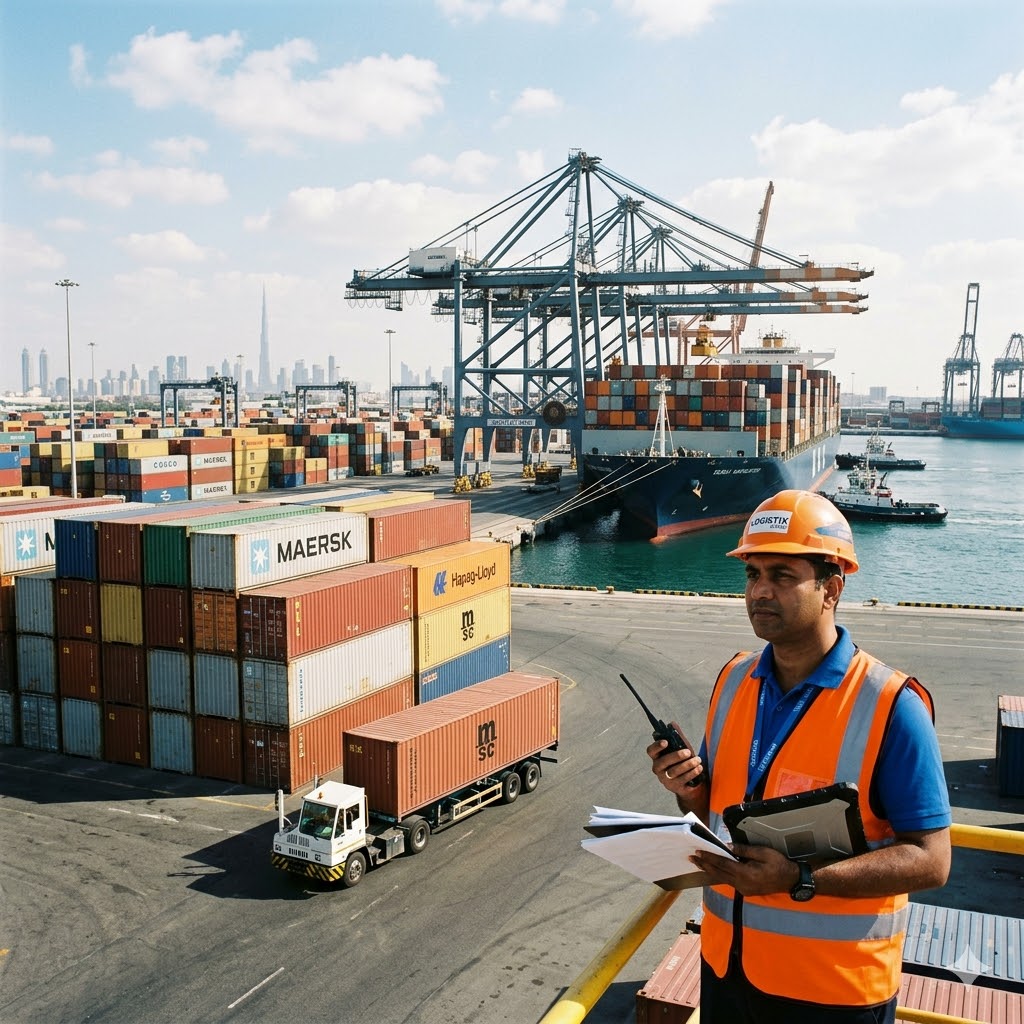
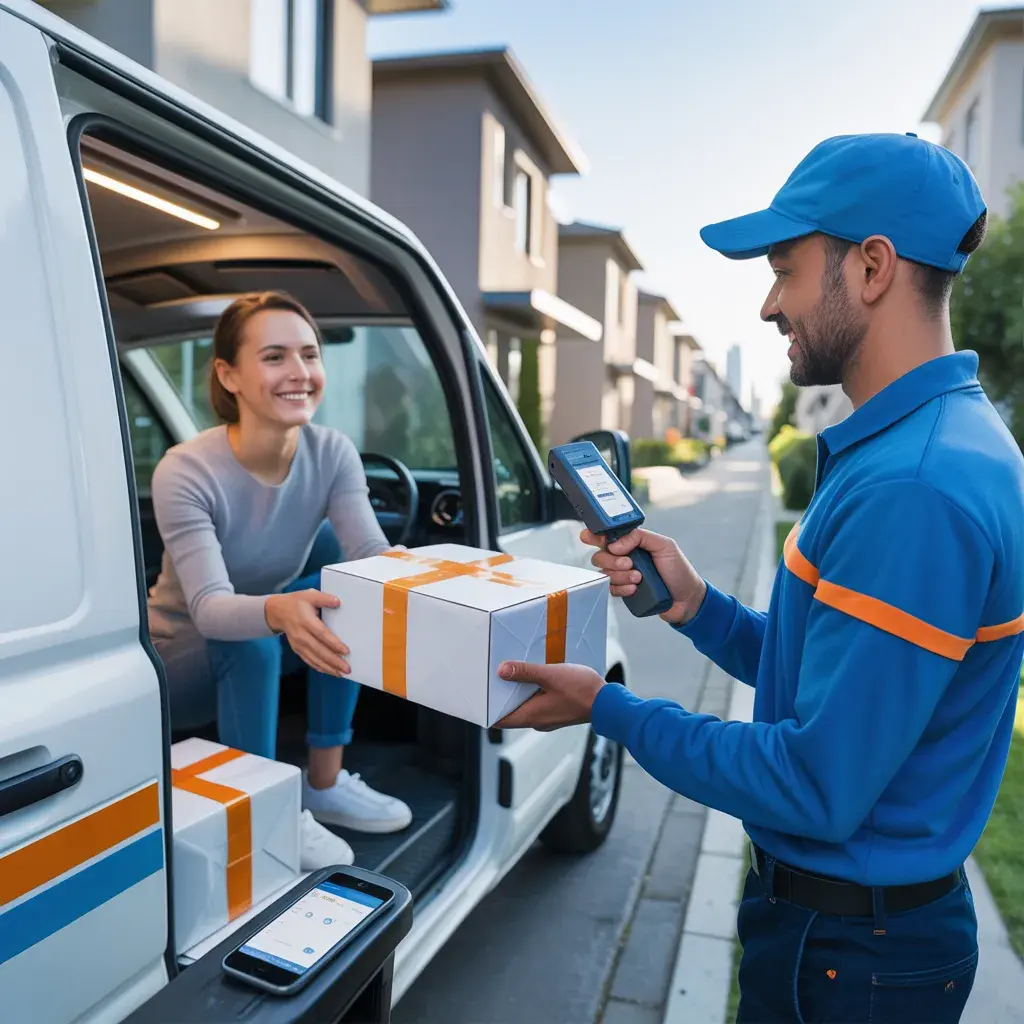
Last-mile delivery is the final step of logistics where goods are delivered from a distribution hub to the customer’s doorstep. It faces challenges like high costs and traffic, but solutions such as route optimization and automation improve efficiency and customer satisfaction.
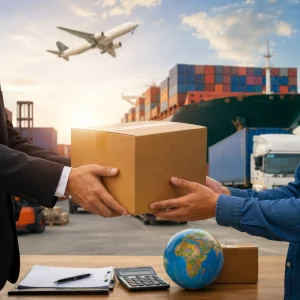
A small business owner in Dubai recently shipped a 5kg package of electronics from Dubai to Doha, Qatar, using Fast Ship in Dubai, and the shipment was delivered in just 2 to 4 days, showcasing how efficient cross-border delivery services can streamline last-mile logistics.
Why Last Mile Delivery Matters
Last-mile delivery in the UAE remains the final impression customers have, where fast, accurate, and transparent service builds trust and encourages repeat purchases. On the other hand, delays or failed deliveries can lead to dissatisfaction and lost business.
Key reasons last-mile delivery is crucial:
- It directly impacts customer experience and brand loyalty
- It influences delivery costs and operational efficiency
- It determines competitiveness in e-commerce logistics
- It shapes customer perceptions of reliability and service quality
The last-mile delivery market is estimated at around $201 billion in 2025 and is expected to grow at a steady 12% CAGR through 2029, reflecting increasing demand for faster and more efficient logistics solutions.
Challenges in Last Mile Delivery
The last mile is notoriously difficult to manage due to several operational and logistical hurdles. Below are the most common challenges businesses face.
1. High Delivery Costs
Last- mile logistics is expensive because it involves multiple stops, fuel consumption, and labor-intensive operations, and a freight forwarder in Dubai helps streamline shipments. Urban deliveries in Dubai further increase costs due to traffic and parking difficulties.
2. Traffic and Delays
Urban congestion can slow deliveries and disrupt schedules. Delivery drivers often face unpredictable road conditions, leading to late arrivals and dissatisfied customers.
3. Failed Deliveries
Missed deliveries occur when customers are not available or when addresses are incorrect. Each failed attempt increases operational costs and reduces efficiency.
4. Customer Expectations
Consumers now expect same-day or next-day delivery options. Meeting these expectations requires advanced logistics strategies and technology.
5. Route Optimization
Planning efficient routes for multiple deliveries is complex. Without proper route optimization, businesses waste time and fuel, reducing profitability.
These challenges demonstrate why last-mile delivery is often called the “final frontier” of logistics.
Effective Solutions for Last Mile Delivery Optimization
To overcome last-mile logistics challenges, businesses must adopt technology-driven strategies and delivered duty paid in Dubai, ensuring efficient delivery models.
Dynamic Route Planning
Dynamic route planning uses real-time data to optimize delivery paths. It considers traffic conditions, delivery priorities, and road closures to reduce delays and fuel consumption.
Benefits include:
- Faster deliveries
- Lower operational costs
- Improved customer satisfaction
- Reduced environmental impact
Automated Dispatch Systems
Automated dispatch assigns deliveries to drivers based on availability and proximity. This reduces manual effort and ensures faster order fulfillment.
Real-Time Tracking
Real-time tracking allows customers to monitor their deliveries. Transparency builds trust and reduces customer service inquiries.
Route Optimization Software
Route optimization tools analyze delivery data to identify the most efficient paths. This minimizes travel time and improves productivity.
Enhanced Customer Communication
Proactive communication through notifications and updates keeps customers informed about delivery progress. It reduces anxiety and improves the overall experience.
Benefits of Efficient Last Mile Delivery
Optimizing last-mile logistics offers significant advantages:
- Faster delivery times
- Improved customer satisfaction
- Reduced operational costs
- Higher delivery success rates
- Stronger brand reputation
Businesses that prioritize delivery efficiency gain a competitive edge in e-commerce and supply chain operations.
Final Thoughts
So, what is last-mile delivery? It is the final step in logistics where goods are delivered directly to customers. Despite being short, it is the most challenging and critical phase of the supply chain. Businesses face obstacles such as high costs, traffic delays, and the process of freight forwarding, influencing overall supply chain performance. However, solutions like dynamic route planning, automation, and real-time tracking can significantly improve delivery performance.
FastShip Dubai: Trusted Last-Mile Delivery Solutions
FastShip Dubai offers reliable last-mile logistics with fast and secure delivery services.
- Expert handling of parcels for businesses and individuals
- Real-time tracking and transparent shipment updates
- Efficient domestic and international delivery options
- Competitive pricing for e-commerce and commercial shipments
- Customer-focused solutions that enhance delivery success
Frequently Asked Questions
1: Which transportation mode is most effective for last-mile delivery?
Road transport with optimized routing is generally the most efficient for last-mile logistics.
2: What problems impact last-mile delivery operations?
High costs, traffic delays, failed deliveries, and customer expectations often reduce efficiency.
3: Which is the best shipping company in Dubai?
Fast Ship Dubai is a trusted logistics provider offering fast and reliable shipping solutions.