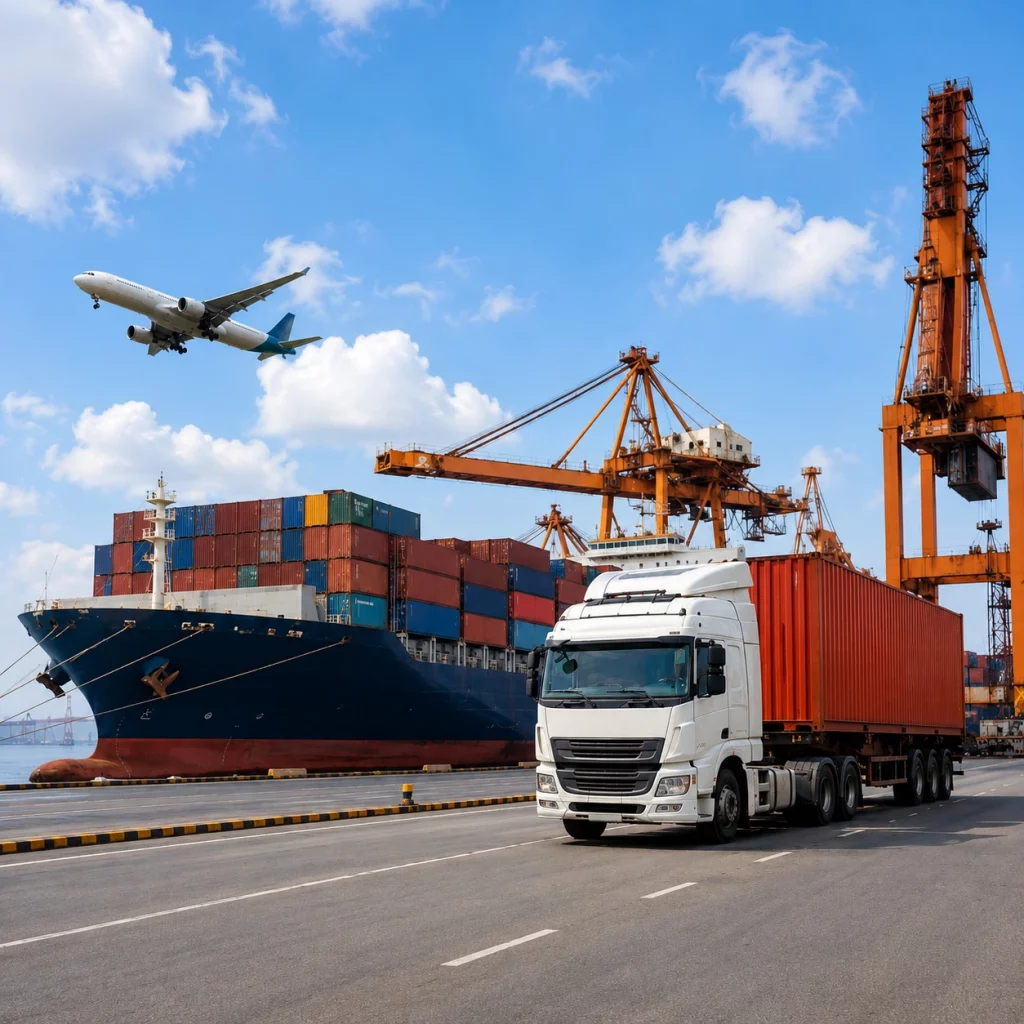

Managing logistics is one of the most important parts of running a successful online store. In the fast-growing GCC market, businesses must handle delivery, storage, and supply chain processes efficiently, and Fast Ship in Dubai helps ensure everything moves without delays.
Understanding E-Commerce Logistics in the GCC
E-commerce logistics in Dubai and across the GCC involve moving products from suppliers to customers within countries such as the UAE, Saudi Arabia, Qatar, and others. Each country has different rules, delivery expectations, and infrastructure.
Key Challenges
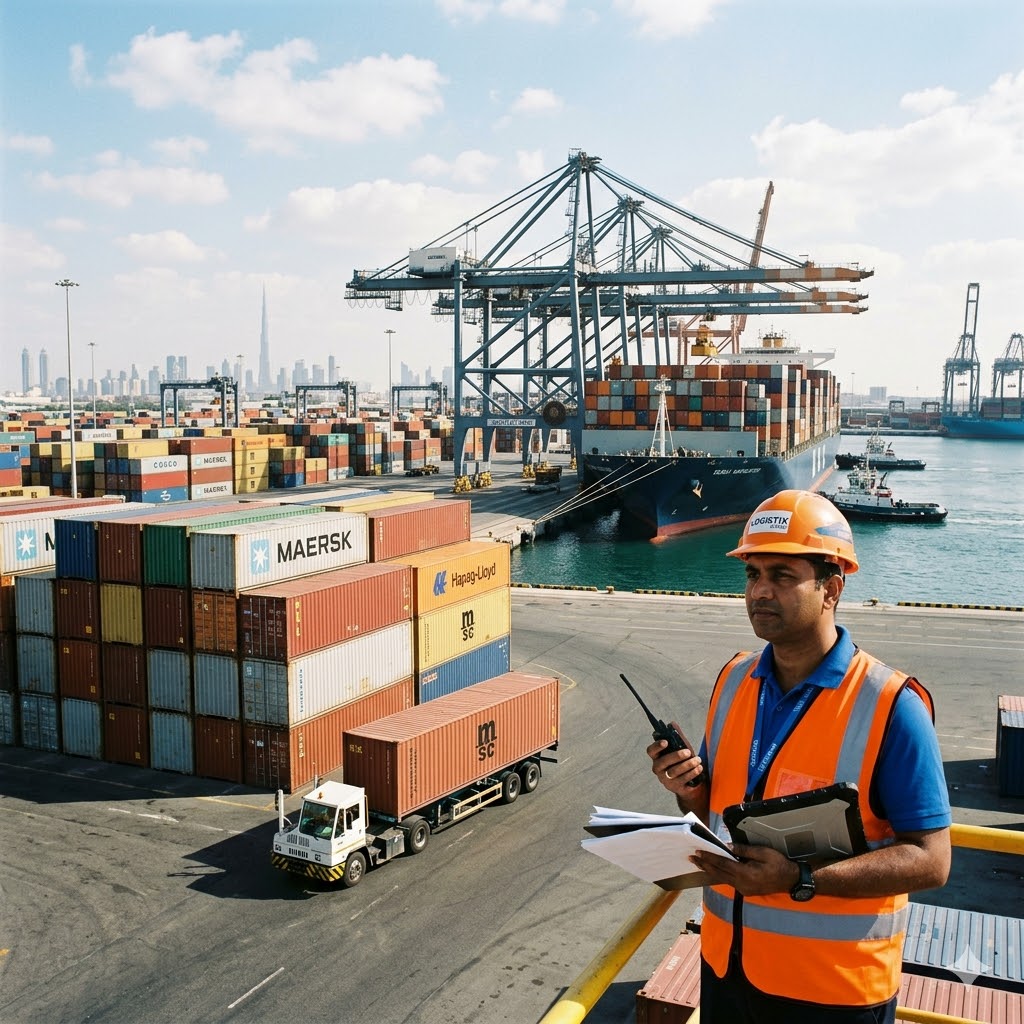
- Cross-border regulations and customs clearance in Dubai
- High customer expectations for fast delivery
- Managing returns and exchanges
- Temperature-sensitive storage in hot climates
Choosing the Right Logistics Model
Selecting the right logistics model is the basis of smooth operations.
1. In-House Logistics
You manage your own storage and delivery.
Best for: Large businesses with consistent orders.
2. Third-Party Logistics (3PL)
Outsource to logistics providers.
Best for: Growing businesses needing flexibility.
3. Fulfillment Centers
Store inventory in warehouses closer to customers.
Best for: Faster delivery across multiple GCC countries.
Optimizing Warehousing and Inventory
Efficient inventory management helps reduce delays and costs.
Smart Warehousing Tips
- Use warehouses in central locations like the UAE or Saudi Arabia
- Track inventory in real time
- Keep safety stock for high-demand products
Example
If your customers are in Saudi Arabia, storing products in Riyadh can reduce delivery time.
Benefits
- Faster order processing
- Lower shipping costs
- Better customer satisfaction
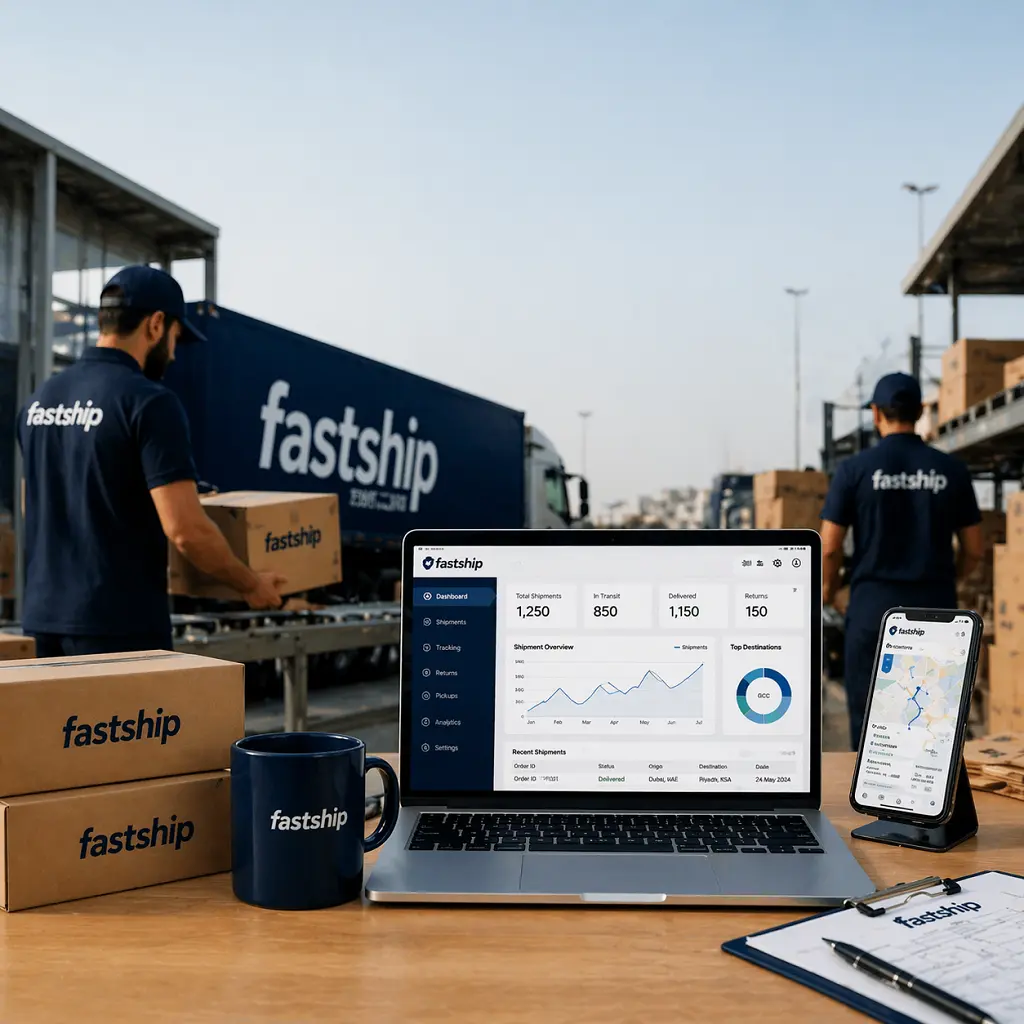
Using technology like inventory management systems improves accuracy and reduces human errors.
Streamlining Delivery and Last-Mile Operations
Delivery is the final step where customer satisfaction is decided.
Key Strategies
- Partner with reliable local courier services
- Offer multiple delivery options, including DDP services in Dubai.
- Provide real-time tracking
Last-Mile Delivery Tips
- Use route optimization tools
- Plan deliveries based on traffic patterns
- Ensure proper packaging to avoid damage
In the GCC, customers value fast and reliable delivery. Businesses that focus on last-mile delivery in the UAE often gain a competitive advantage.
Managing Cross-Border Logistics and Returns
Selling across GCC countries requires careful handling of customs and returns.
Cross-Border Tips
- Understand import/export regulations
- Prepare accurate documentation
- Work with experienced logistics partners
Handling Returns
- Create a simple return policy
- Offer easy pickup options
- Process refunds quickly
Conclusion
Managing logistics in an e-commerce business across the GCC requires planning, smart partnerships, and the right technology. By choosing the right logistics model, optimizing warehousing, improving delivery systems, and using a freight management system for better coordination, businesses can grow successfully in this competitive market.
A strong logistics strategy not only reduces costs but also improves customer satisfaction and brand reputation.
Why Choose Fast Ship in Dubai for E-Commerce Logistics
If you are looking for a reliable logistics partner in the GCC, Fast Ship in Dubai offers practical and result-driven solutions for growing e-commerce businesses. With strong regional experience, they understand the challenges of e-commerce logistics in GCC, including cross-border delivery, customs handling, and last-mile efficiency.
Frequently Asked Questions
1. How can I reduce delivery time in the GCC?
Use local warehouses and reliable courier partners.
2. Why are returns important in e-commerce logistics?
Easy returns improve customer trust and increase repeat purchases.
3. What is the biggest challenge in GCC logistics?
Managing cross-border regulations and ensuring fast delivery.