




In today’s fast-paced e-commerce and logistics world, packaging plays a vital role in cost savings, customer satisfaction, and smooth delivery operations. Understanding standard shipping package sizes is essential for businesses that want to optimize logistics, reduce costs, and ensure products reach customers in perfect condition.
This guide explores the different standard sizes, their importance, and how companies can use them strategically to improve efficiency.
Why Standard Shipping Package Sizes Matter
Choosing the right package size goes beyond aesthetics. It affects shipping costs, storage, and customer experience. Research indicates that businesses can reduce up to 20% in logistics expenses by standardizing package dimensions and minimizing wasted space.
Key reasons include:
- Cost Efficiency: Carriers often charge based on dimensional weight, not just actual weight.
- Protection: A proper fit reduces damage during transit.
- Sustainability: Less material waste leads to eco-friendly practices.
- Brand Image: Consistent packaging enhances professionalism and trust.
Common Standard Shipping Package Sizes
While exact standards vary by courier, the following categories are widely recognized:
- Small Packages (8″ × 6″ × 2″)
Ideal for accessories, cosmetics, and electronics. - Medium Packages (12″ × 9″ × 4″)
Used for books, clothing, or larger electronics. - Large Packages (18″ × 12″ × 6″)
Suitable for bulkier items such as shoes or kitchen appliances. - Extra-Large Packages (24″ × 18″ × 12″)
For household items, large electronics, or bulk orders.
Fact to Know:
Studies show that over 60% of product returns in e-commerce are linked to improper packaging or damage during transit.
International Shipping and Dimensional Weight
When shipping globally, couriers calculate charges using dimensional (volumetric) weight. For example:
Dimensional Weight=Length×Width×HeightDimensional FactorDimensional\ Weight = \frac{Length \times Width \times Height}{Dimensional\ Factor}Dimensional Weight=Dimensional FactorLength×Width×Height
If your box is larger than necessary, you may end up paying more even if the product is lightweight. Choosing appropriate standard shipping package sizes prevents unnecessary costs.
How Freight Forwarders Help Businesses
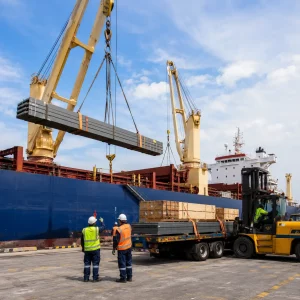
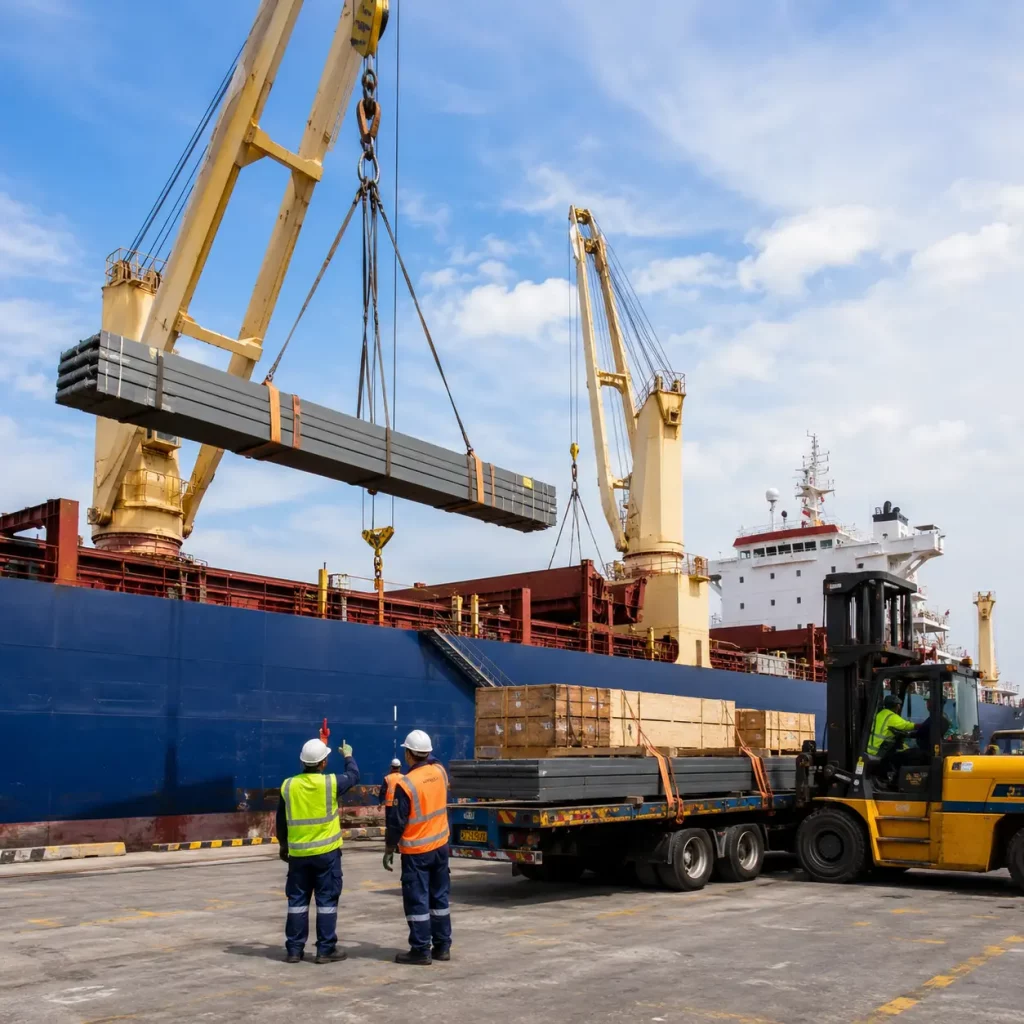
Businesses handling large volumes often rely on specialized services. A freight forwarder dubai can help streamline shipping processes, consolidate goods, and ensure the right package sizes meet international regulations. Their expertise reduces risks of delays and ensures compliance with customs standards.
Regional Trade and Packaging Standards
For companies expanding into GCC markets, proper package sizing is especially important. Shipping from Dubai to Saudi Arabia is one of the busiest trade corridors, with strict customs and carrier requirements. Using consistent and approved package sizes ensures faster clearance and fewer rejections at border checkpoints.
Technology in Package Size Optimization
Modern logistics relies on digital tools to reduce inefficiencies. A freight management system can analyze order volumes, recommend the best package sizes, and automate carrier selection. These systems help businesses reduce overheads, avoid overpacking, and improve delivery times.
Tips for Choosing the Right Package Size
- Know Your Products: Track the dimensions and weight of all items.
- Use Standard Sizes: Stick to commonly accepted dimensions for easier carrier handling.
- Minimize Empty Space: Use inserts or fillers only when necessary.
- Prioritize Durability: Choose materials that balance strength with cost.
- Test Before Scaling: Ship sample packages to ensure safe delivery.
Balancing Cost and Customer Experience
While smaller packages reduce costs, oversized or under-protected packaging can frustrate customers. A survey by logistics researchers found that 72% of consumers are more likely to shop again from brands that deliver products in well-fitted, eco-friendly packaging.
This makes standard shipping package sizes not just a logistical choice, but a branding and customer retention strategy.
Final Thoughts
Mastering standard shipping package sizes is crucial for businesses that want to stay competitive in global trade. By understanding dimensional weight, leveraging freight forwarders, and investing in digital freight management systems, companies can save costs while improving customer satisfaction.
From professional support like Freight Forwarder Dubai to regional trade corridors such as shipping from dubai to saudi arabia, and advanced tools like a Freight Management System, every element of logistics relies on choosing the right package size.
Businesses that prioritize this detail position themselves for smoother operations, reduced expenses, and happier customers.